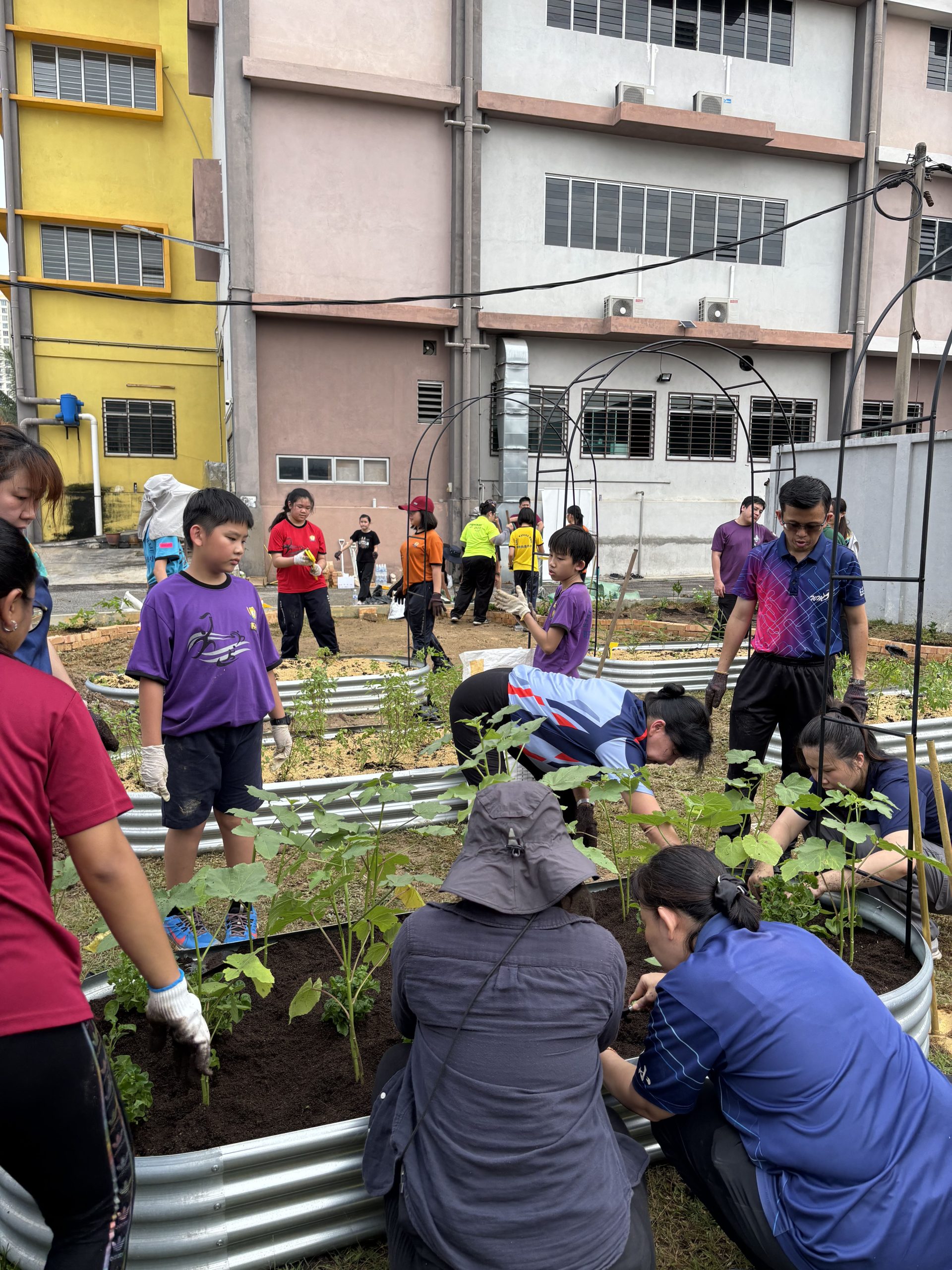
In partnership with Etika Group of Companies (ETIKA) and Yayasan Hijau Malaysia (YHM), Eats, Shoots & Roots implemented the Sayur in the City School Programme at SJKC Wangsa Maju, where we established a school garden for the students and provided training for the teachers.
Project Sponsors: Etika Group of Companies, Yayasan Hijau Malaysia
Community / Beneficiary: SJKC Wangsa Maju
Programme: School Programme
Location: Wangsa Maju, Kuala Lumpur
Project Date: March 2025
Project Kickoff
12 February 2025
Memorandum of Understanding
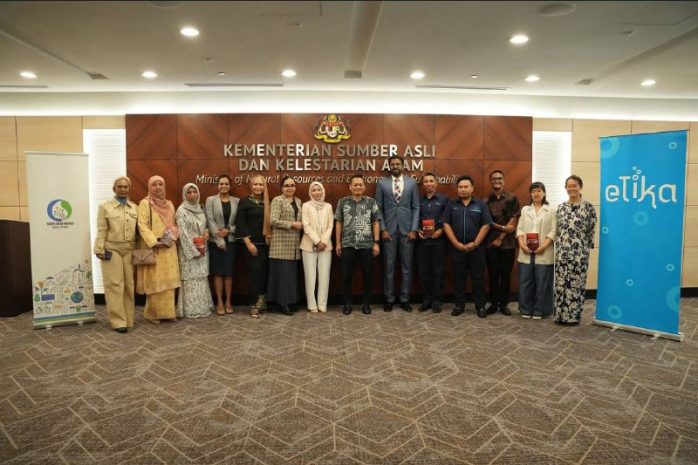
A Memorandum of Understanding (MoU) was signed between Yayasan Hijau Malaysia and Etika at the Ministry of Natural Resources and Environmental Sustainability on the 12th of February 2025 to kickstart the project.
28 February 2025
School Stakeholder Meeting
The programme was then introduced to SJKC Wangsa Maju school heads and parents from the PIBG to discuss what would be most suitable and needed by the school.
Teacher Training
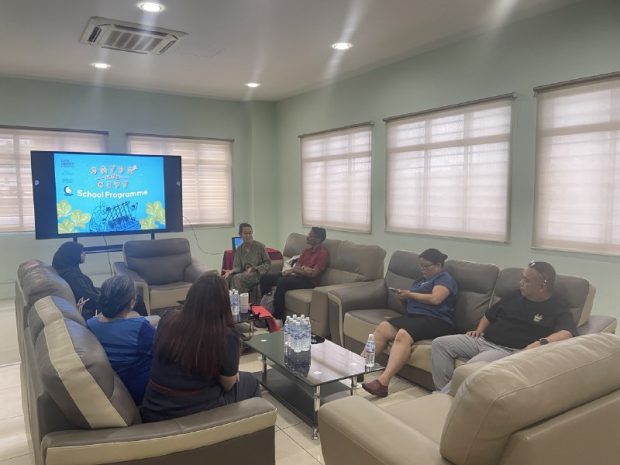
The programme featured a series of three teacher training workshops designed to introduce educators to key aspects of urban farming. These included planting techniques, propagation methods, and natural pest prevention strategies. Teachers also learned about composting – its role in diverting food waste and its benefits as a nutrient source for plants. A total of 10 teachers participated in the workshop.
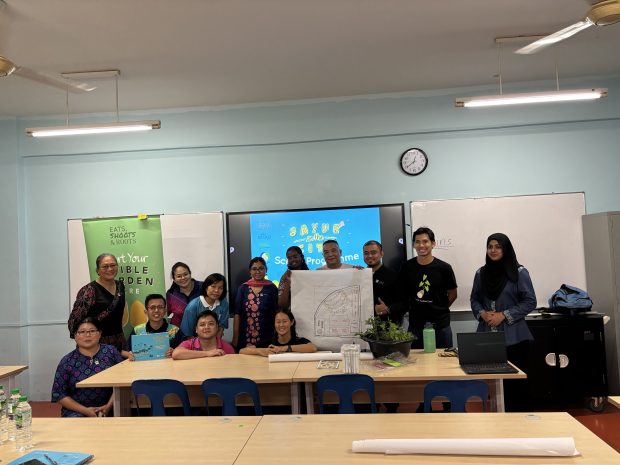
13 March 2025
Garden Design
Teachers learnt about the basics of edible garden design; garden systems and flows.
20 March 2025
Plant Care
Teachers learnt about the basics of how fertiliser work, and how to feed established plants.
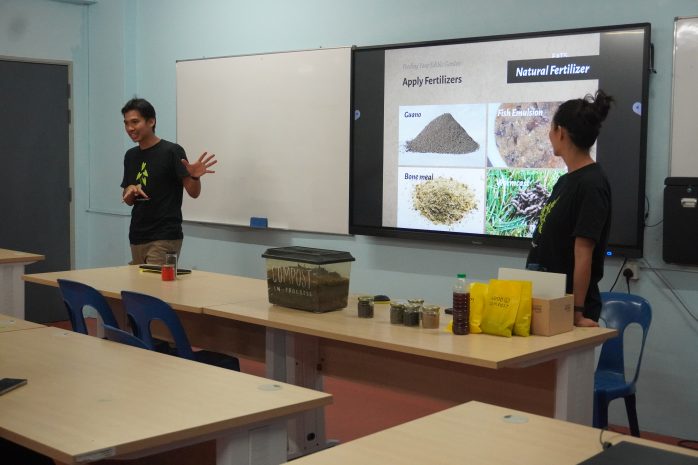
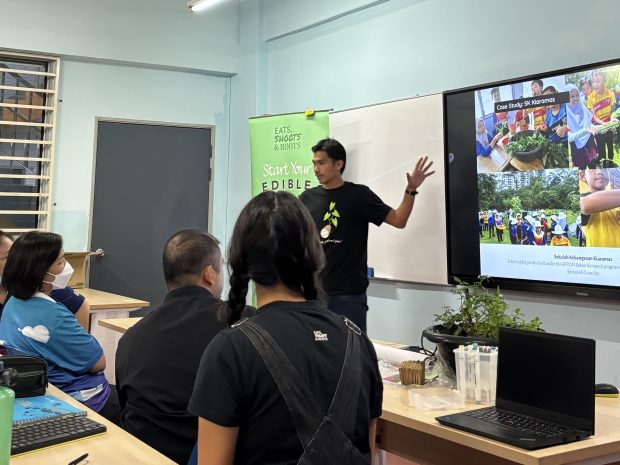
3-8 May 2025
Composting
Teachers learnt about the basics of how the garden can function to process food waste from the school canteen.
School Garden Building
26 April 2025
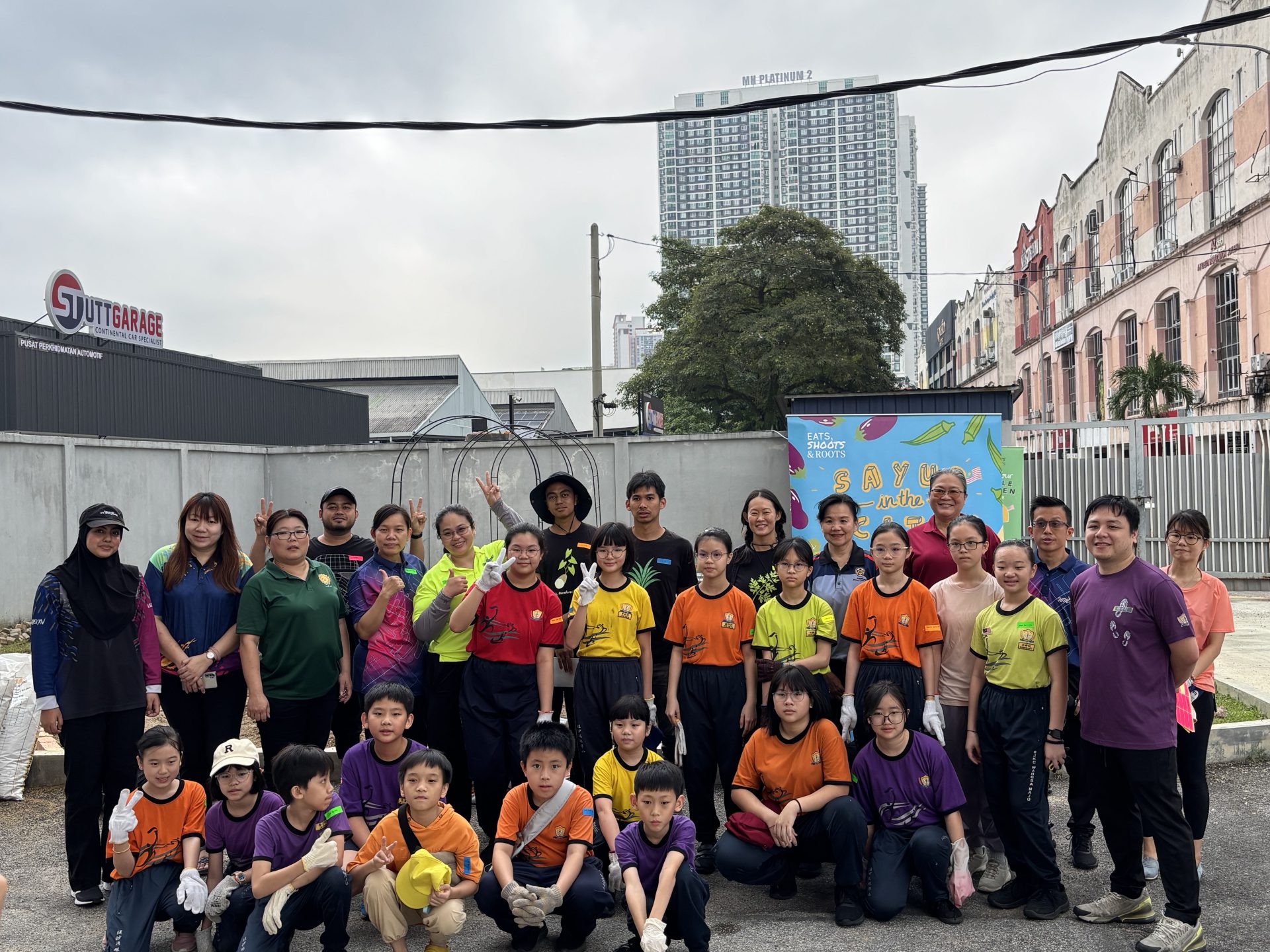
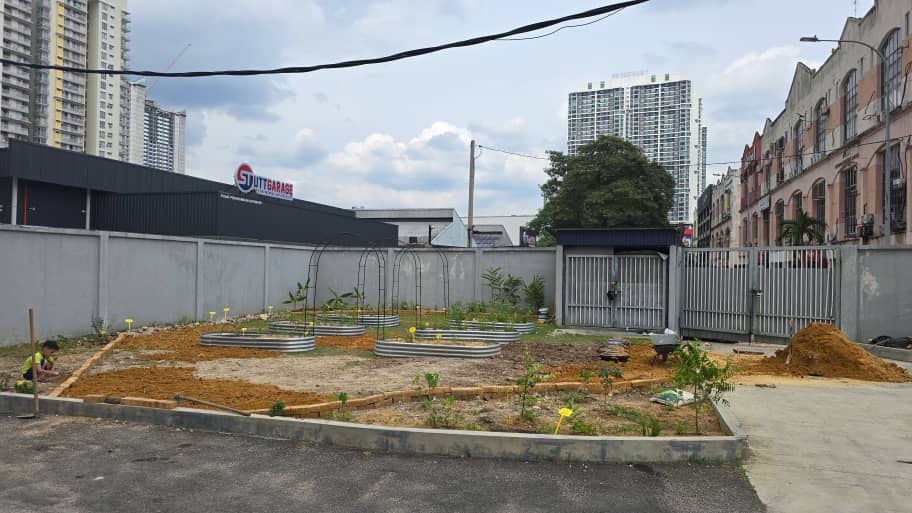
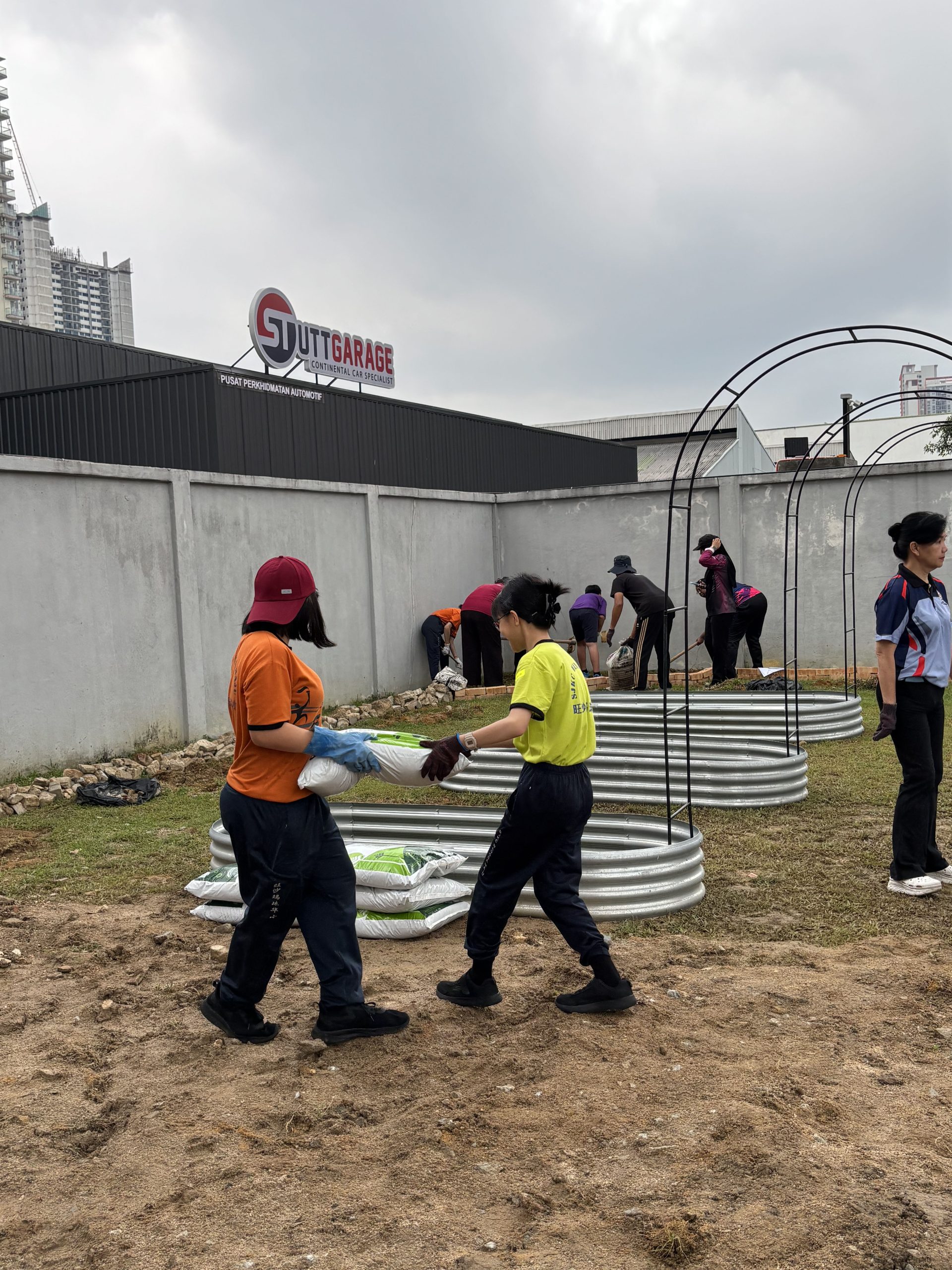
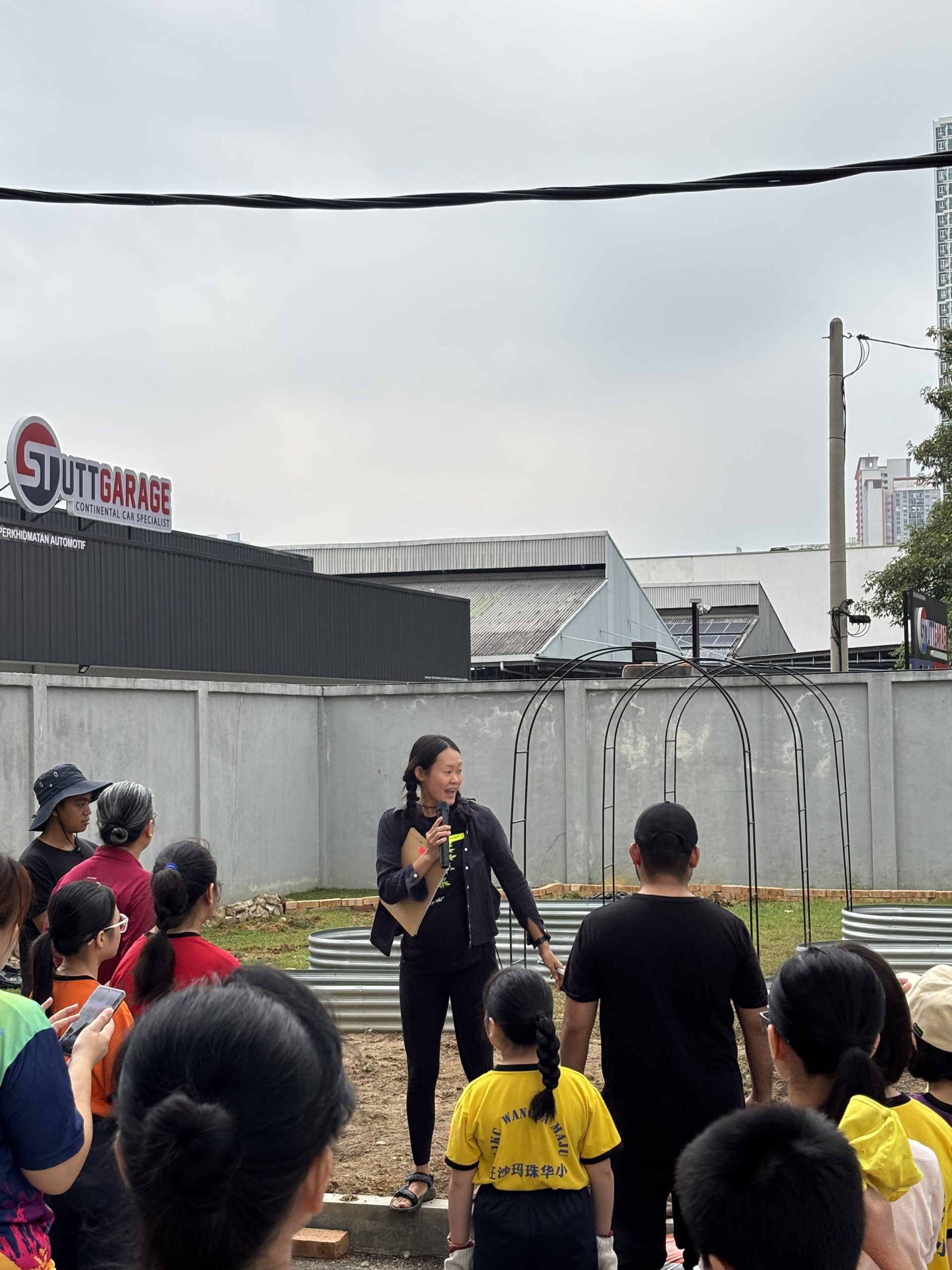
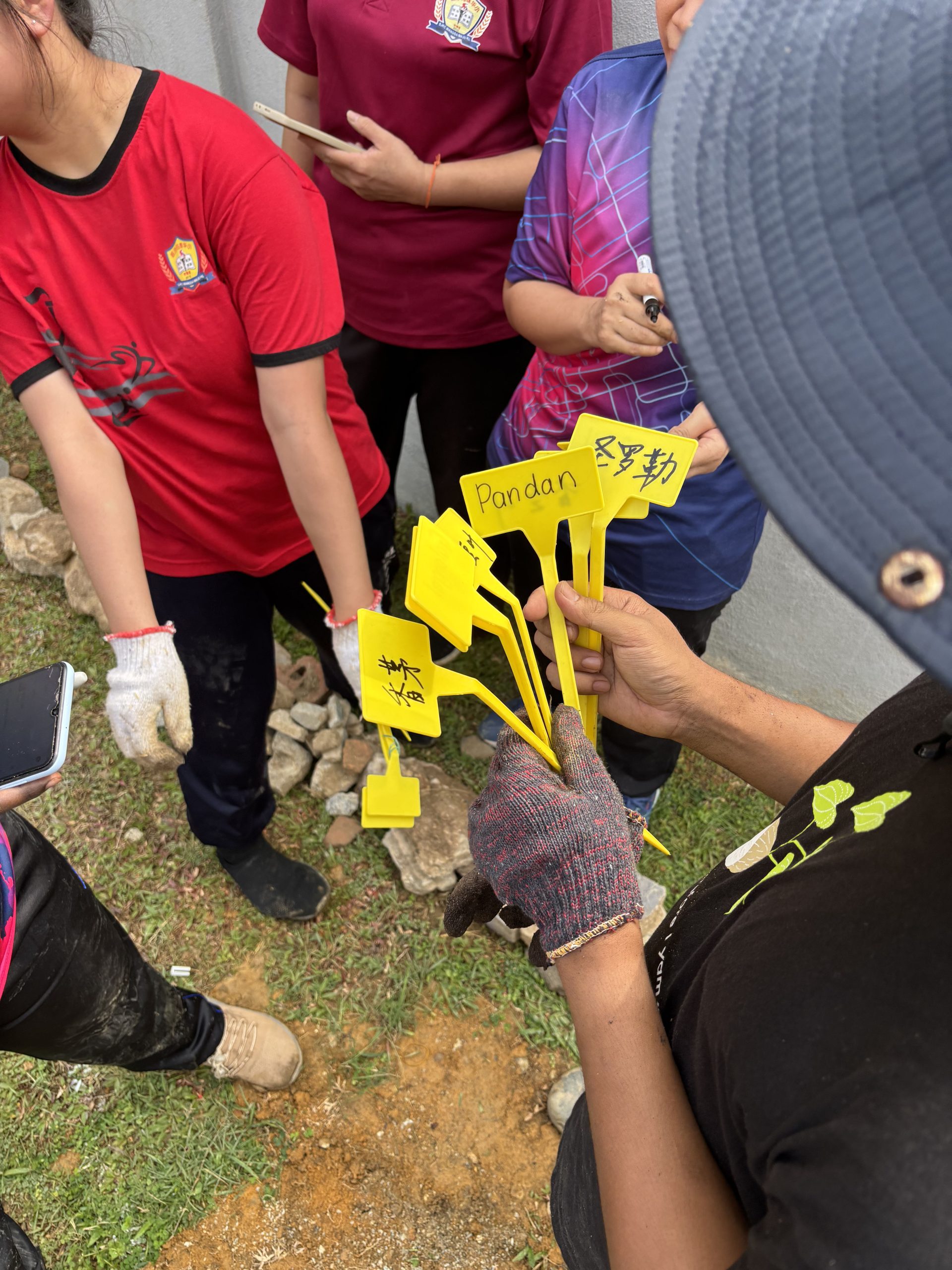
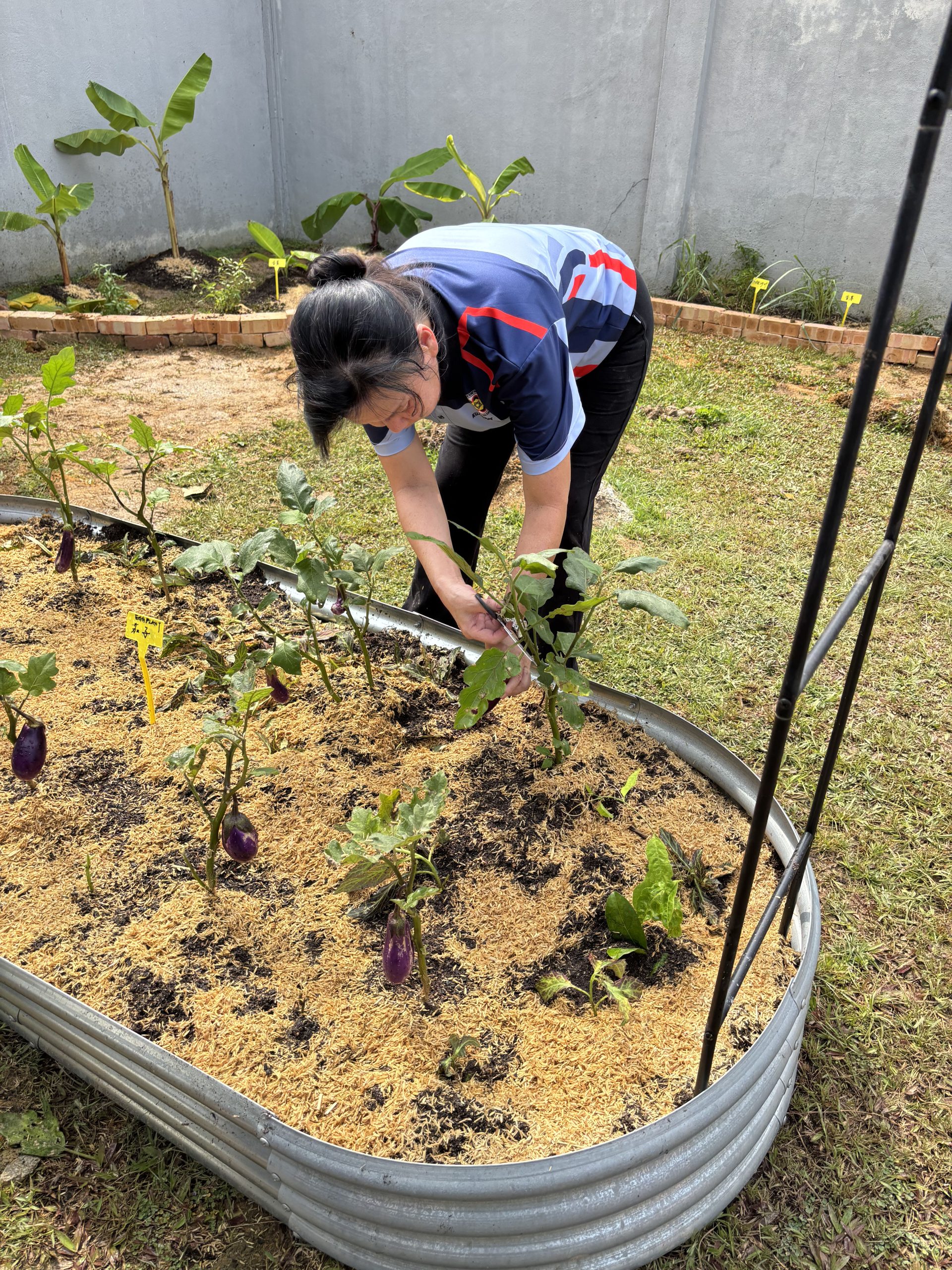
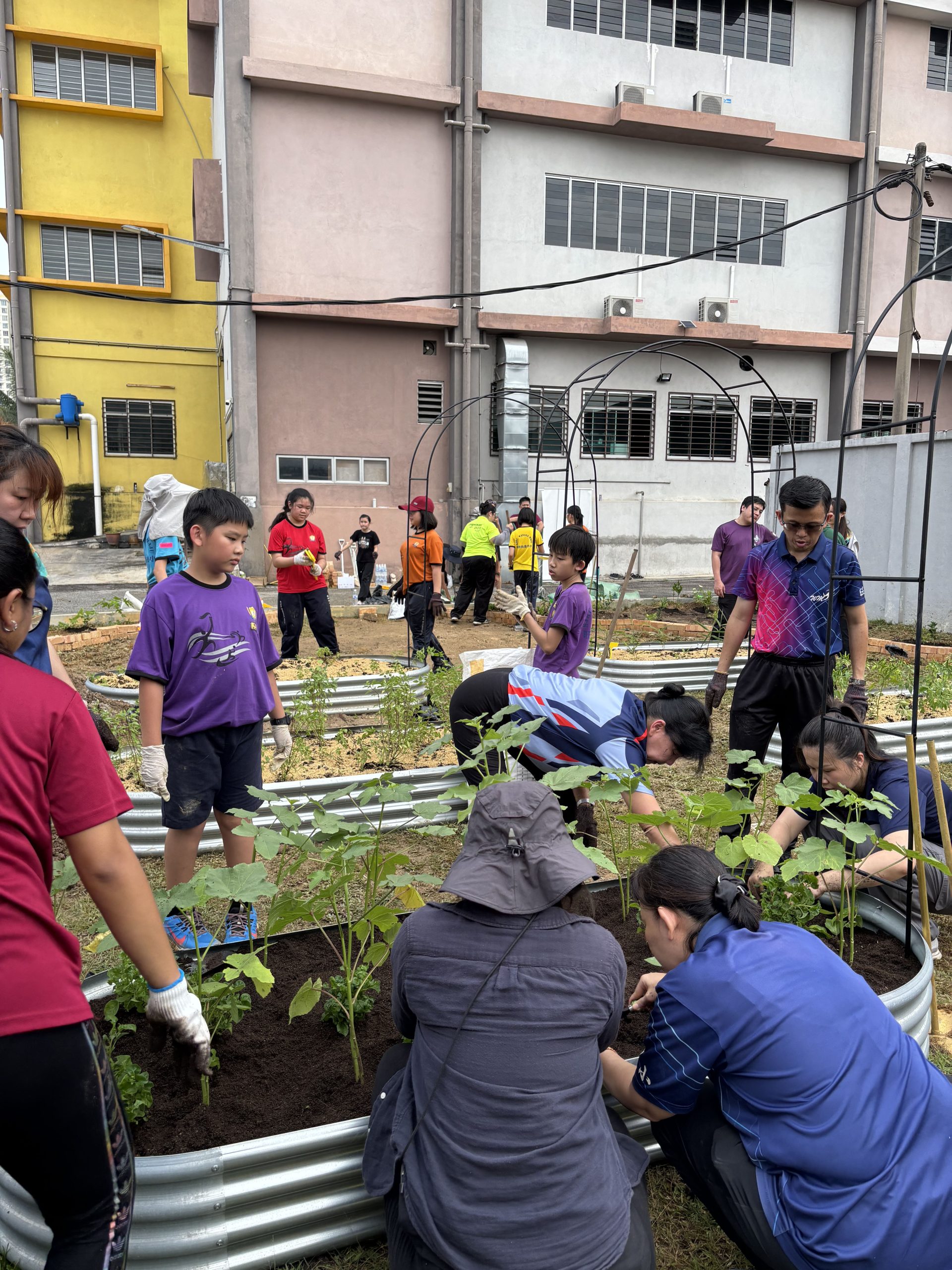
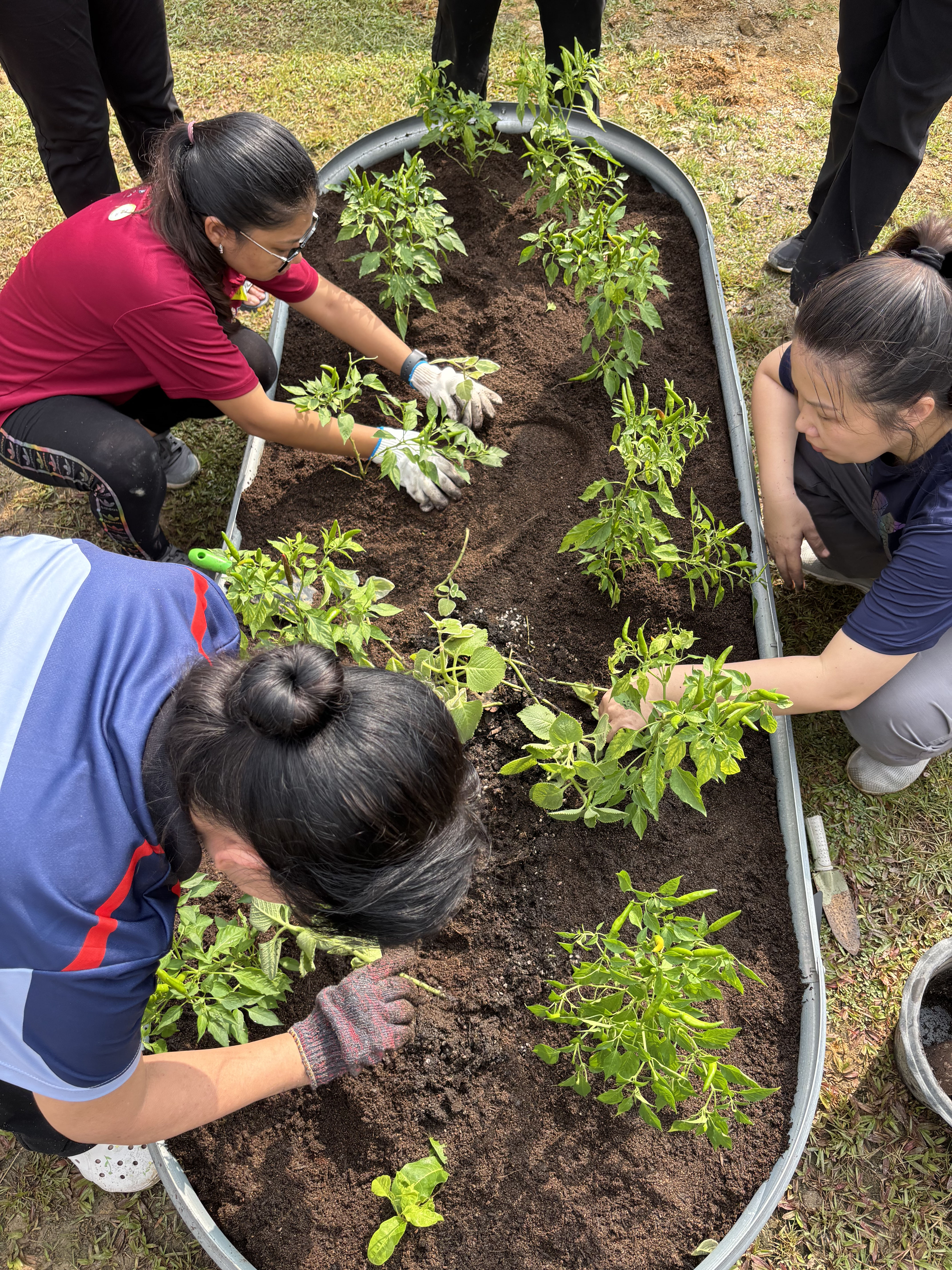
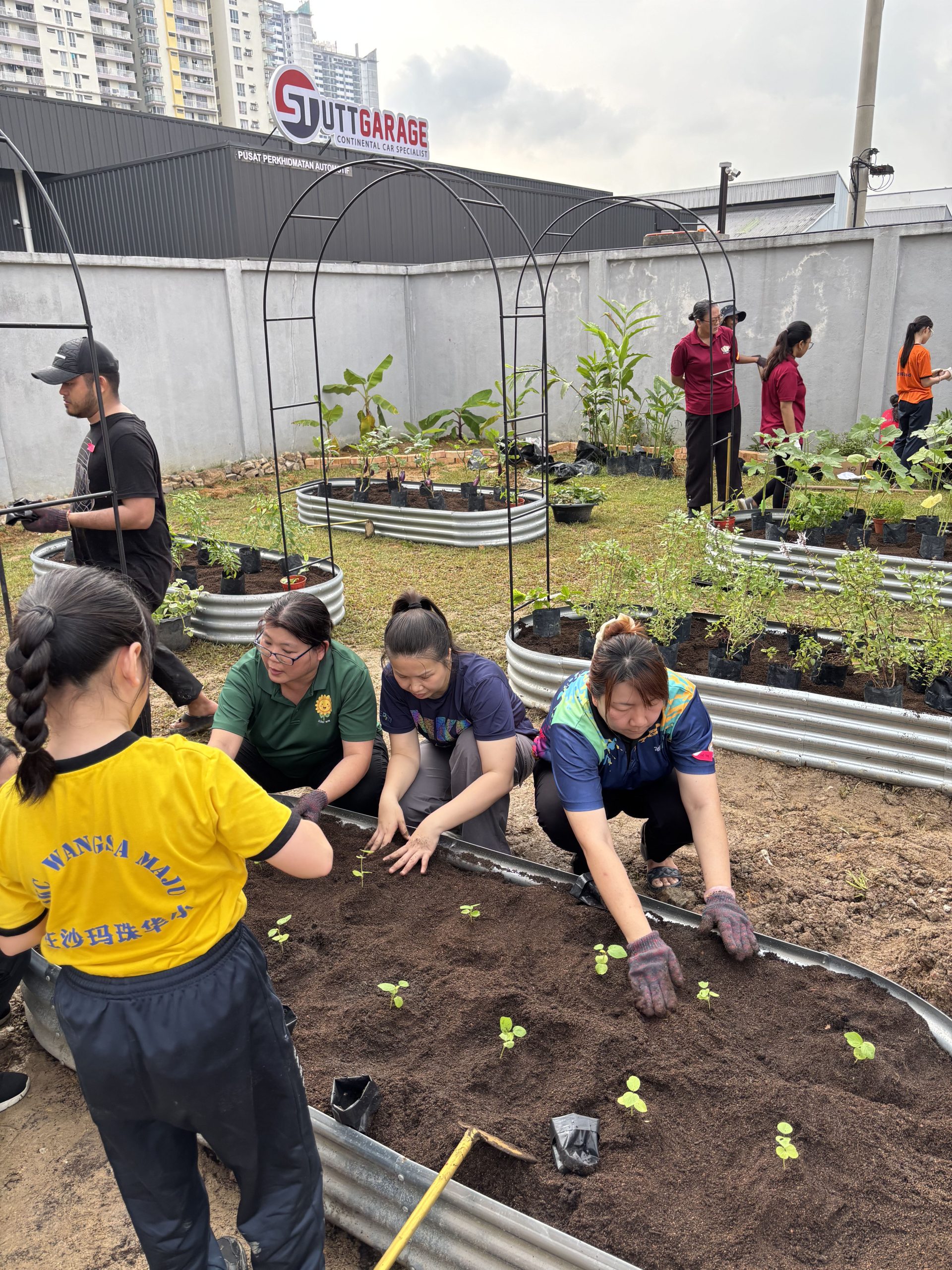
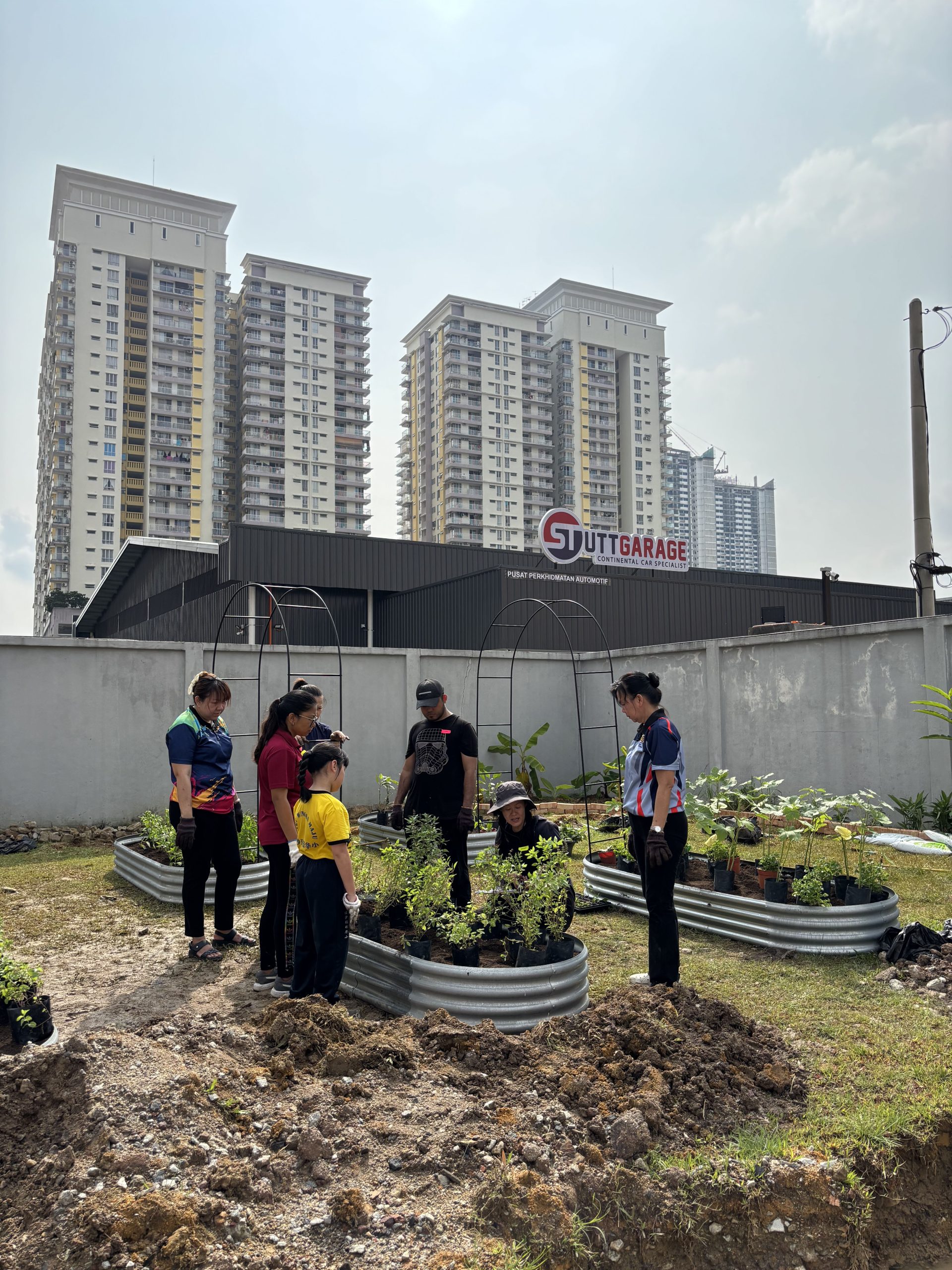
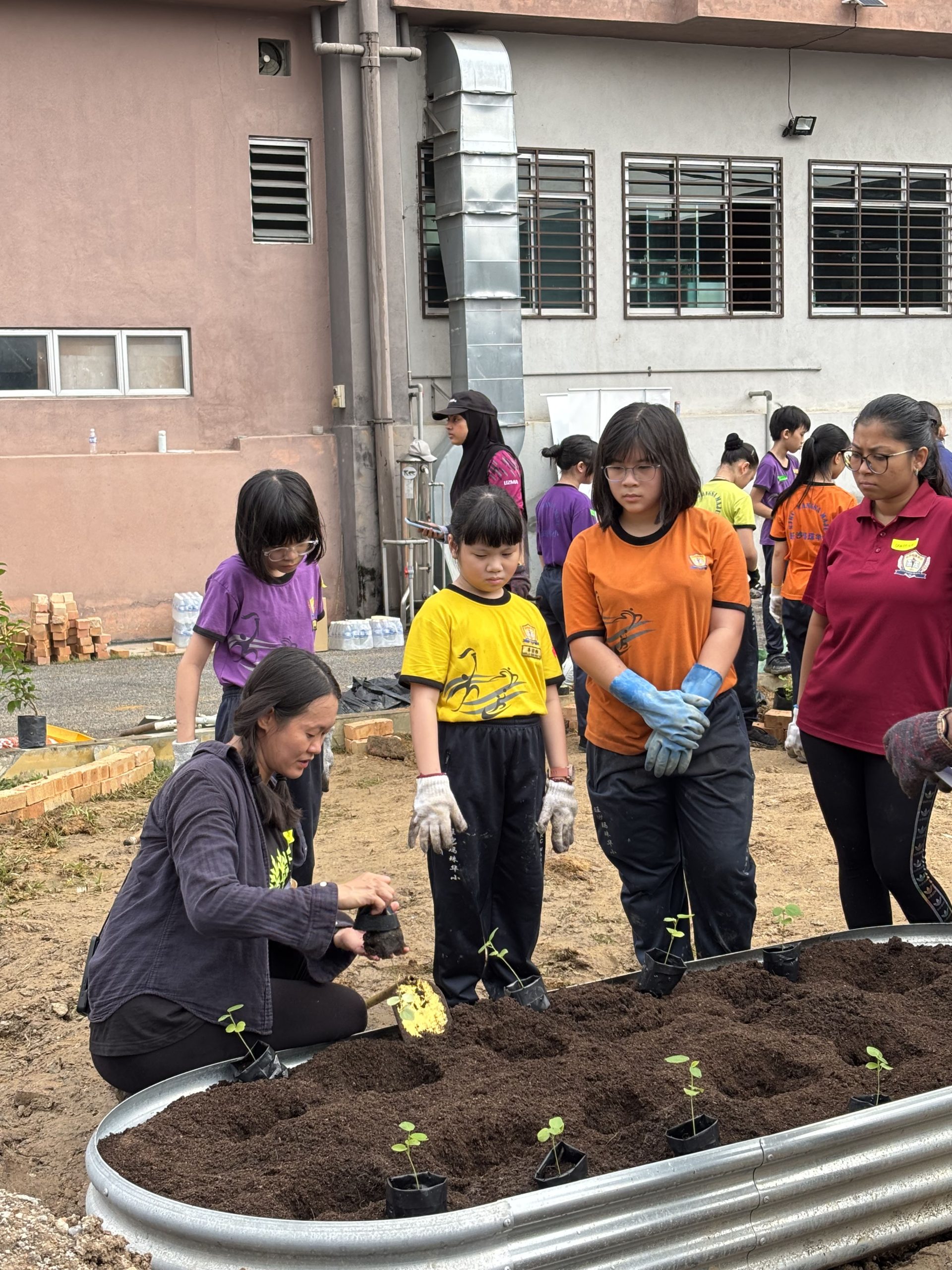
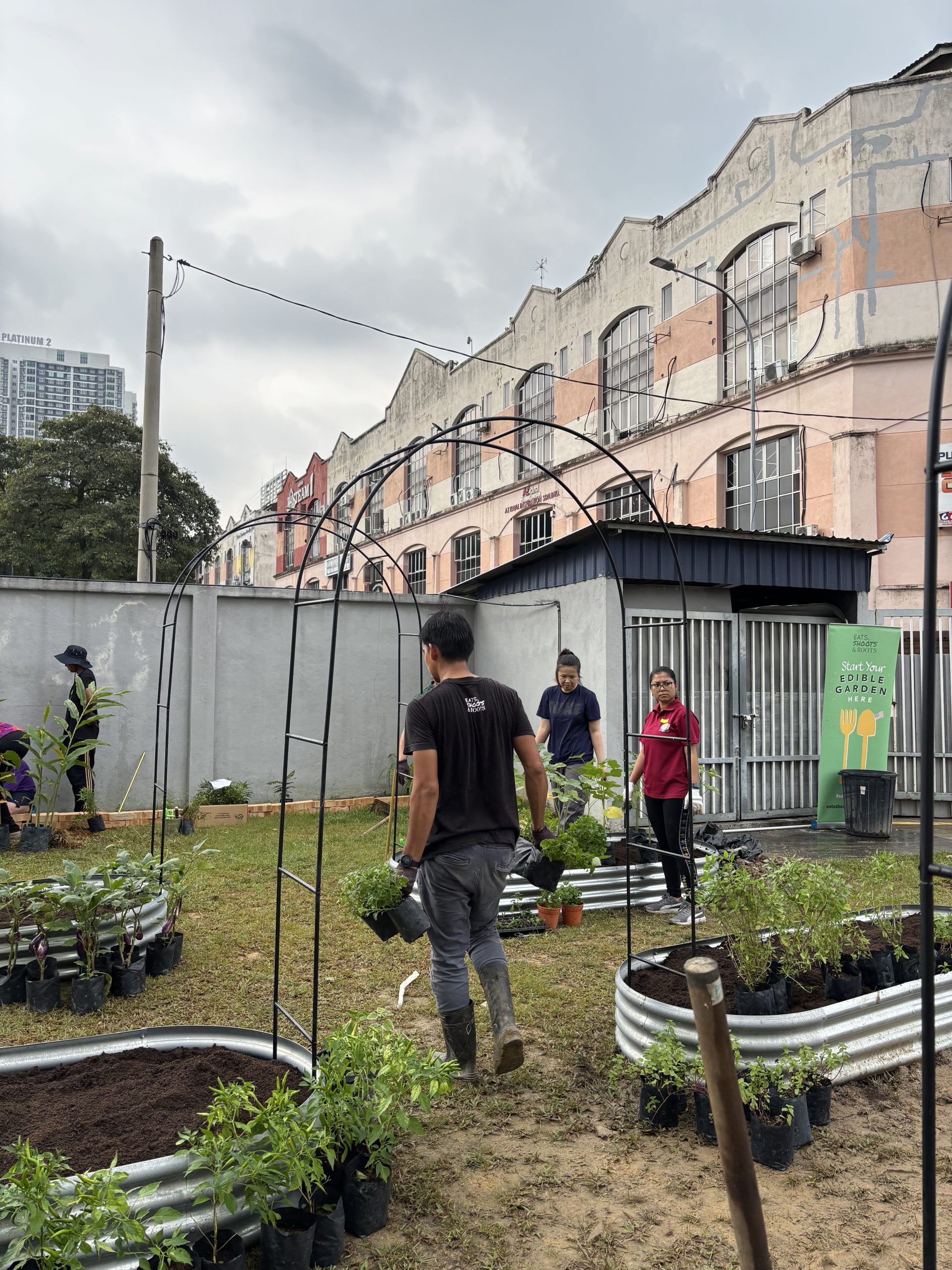
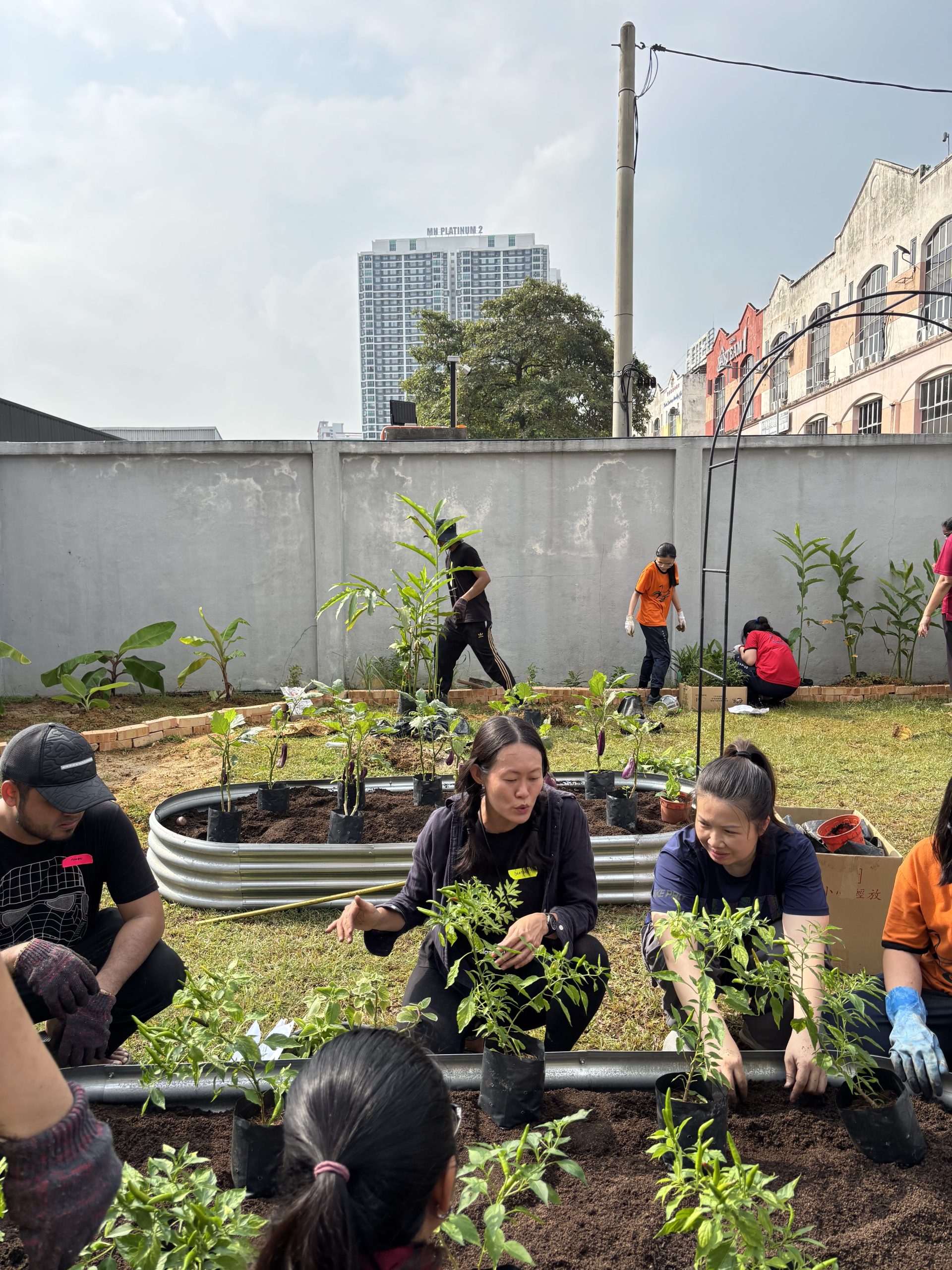
A school garden was then built together with students and parents, based on the design and plant plan that was shaped by input and suggestions from the participating teachers and parents.
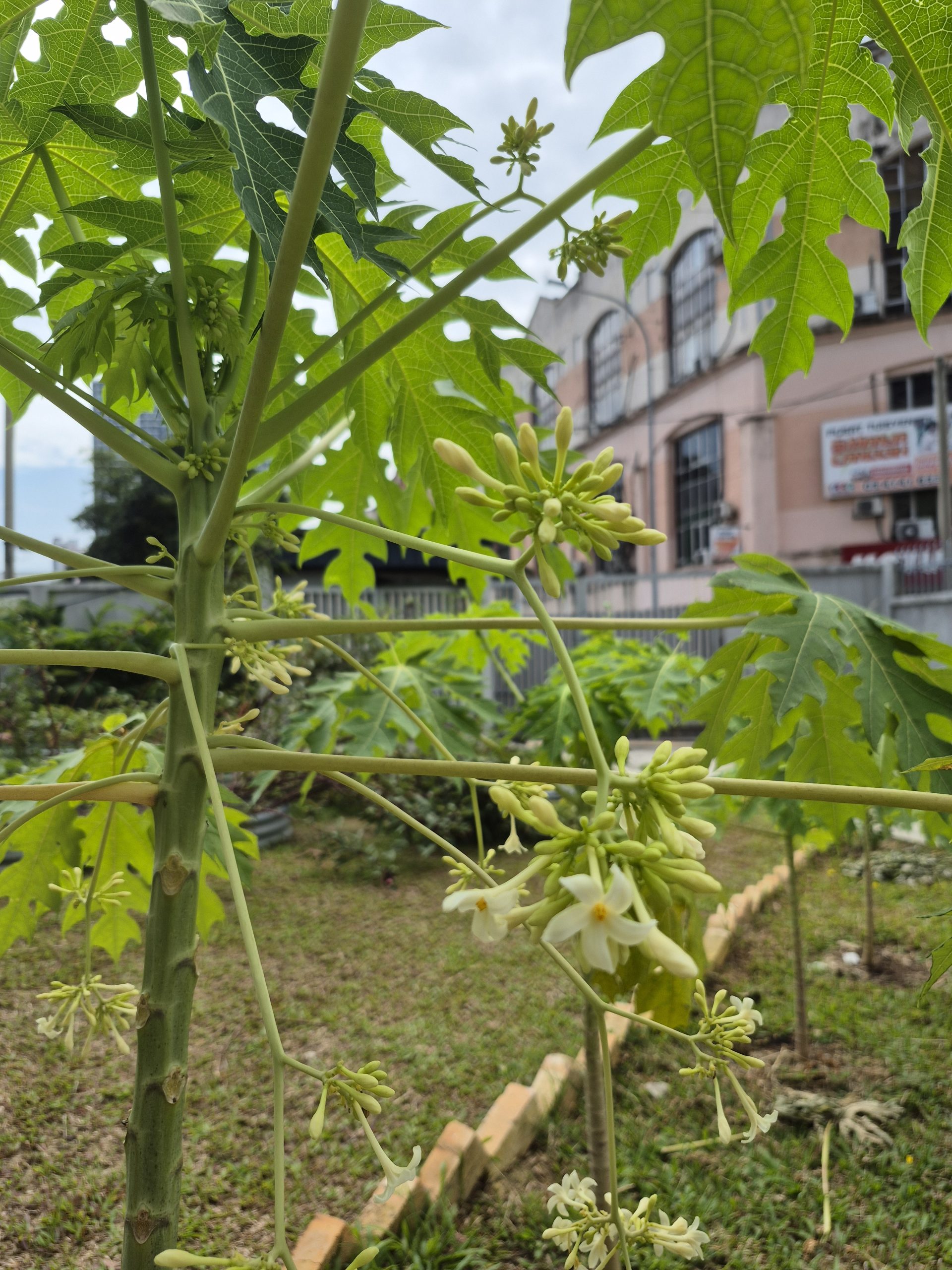
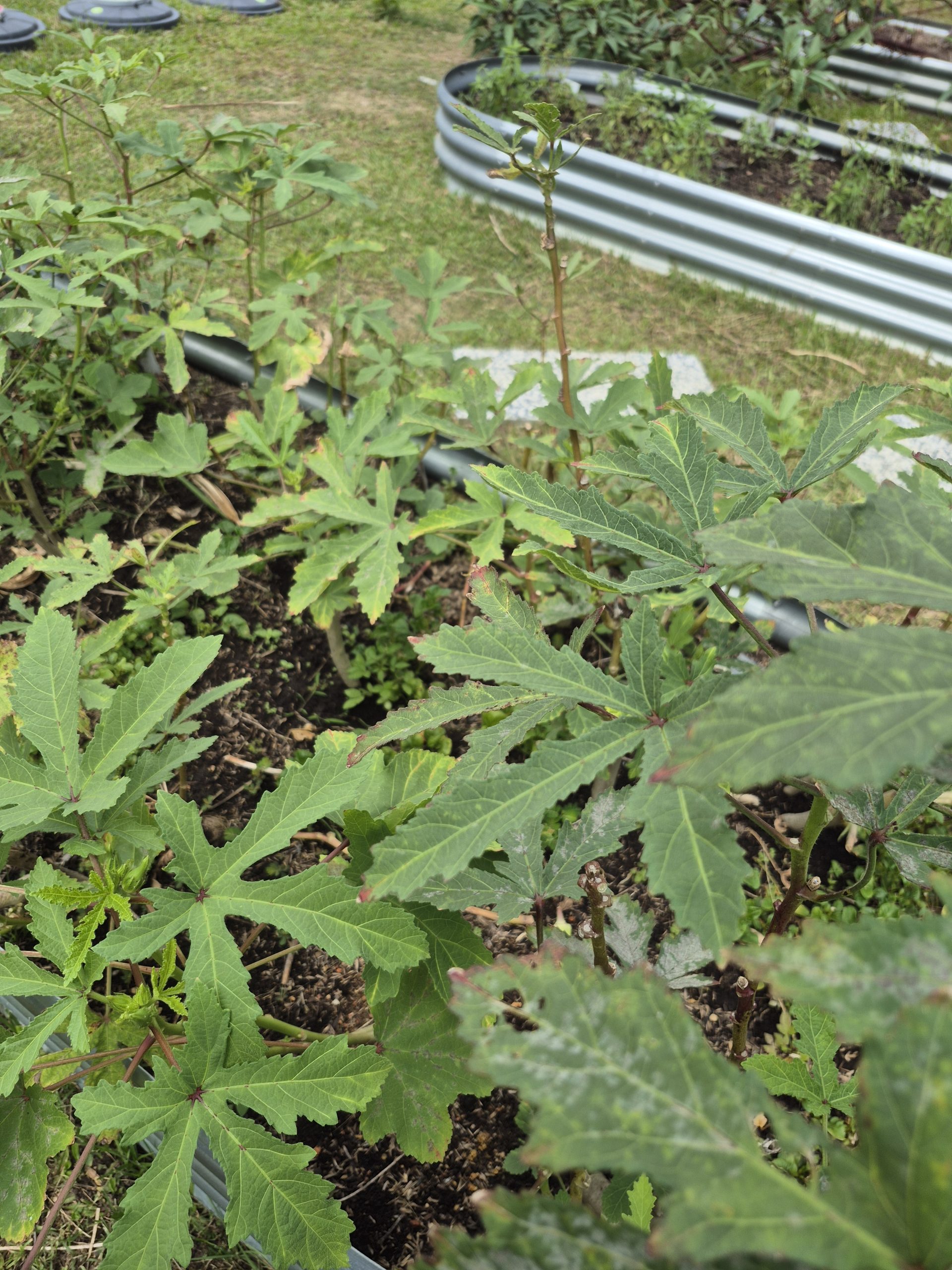
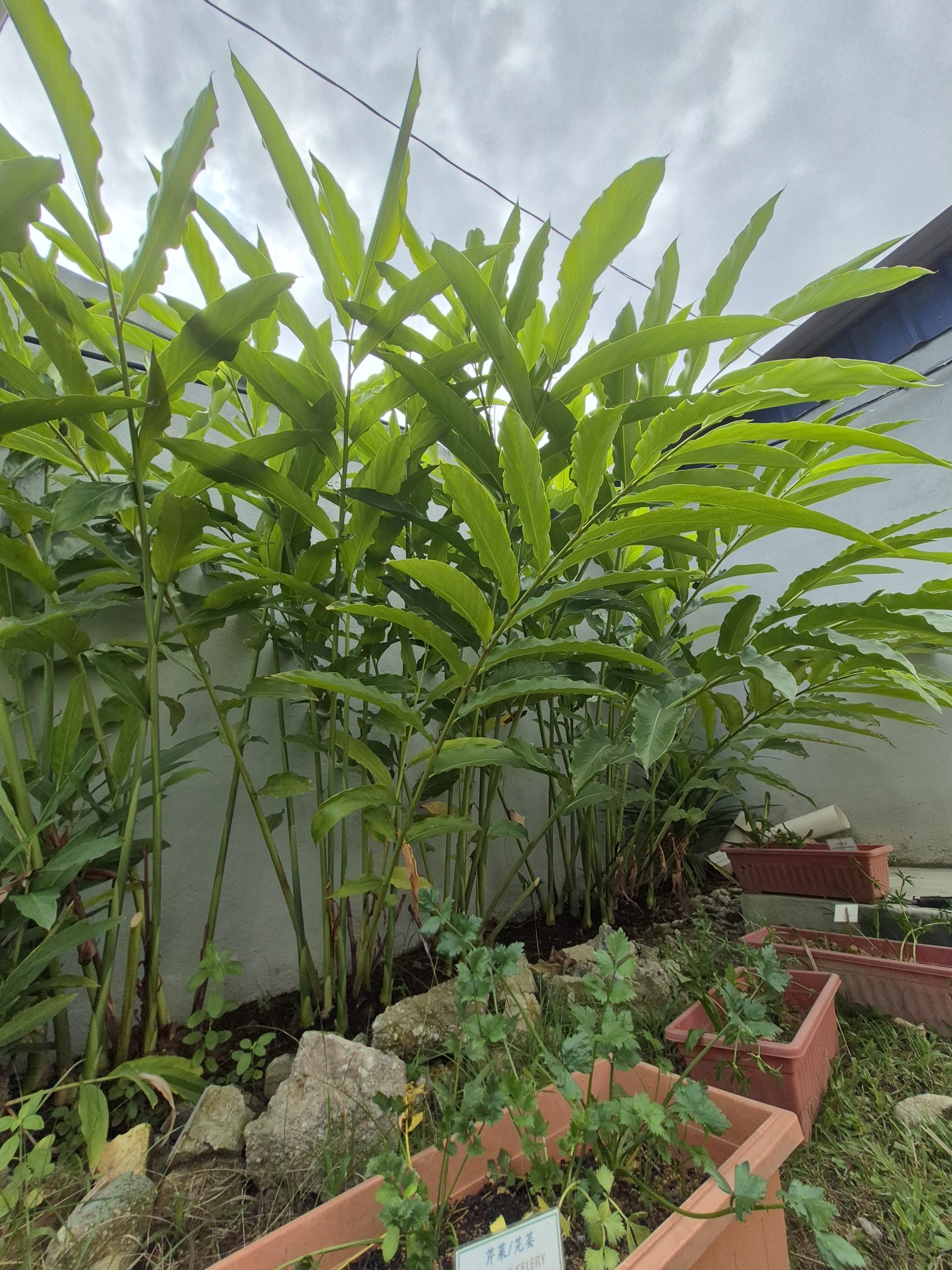
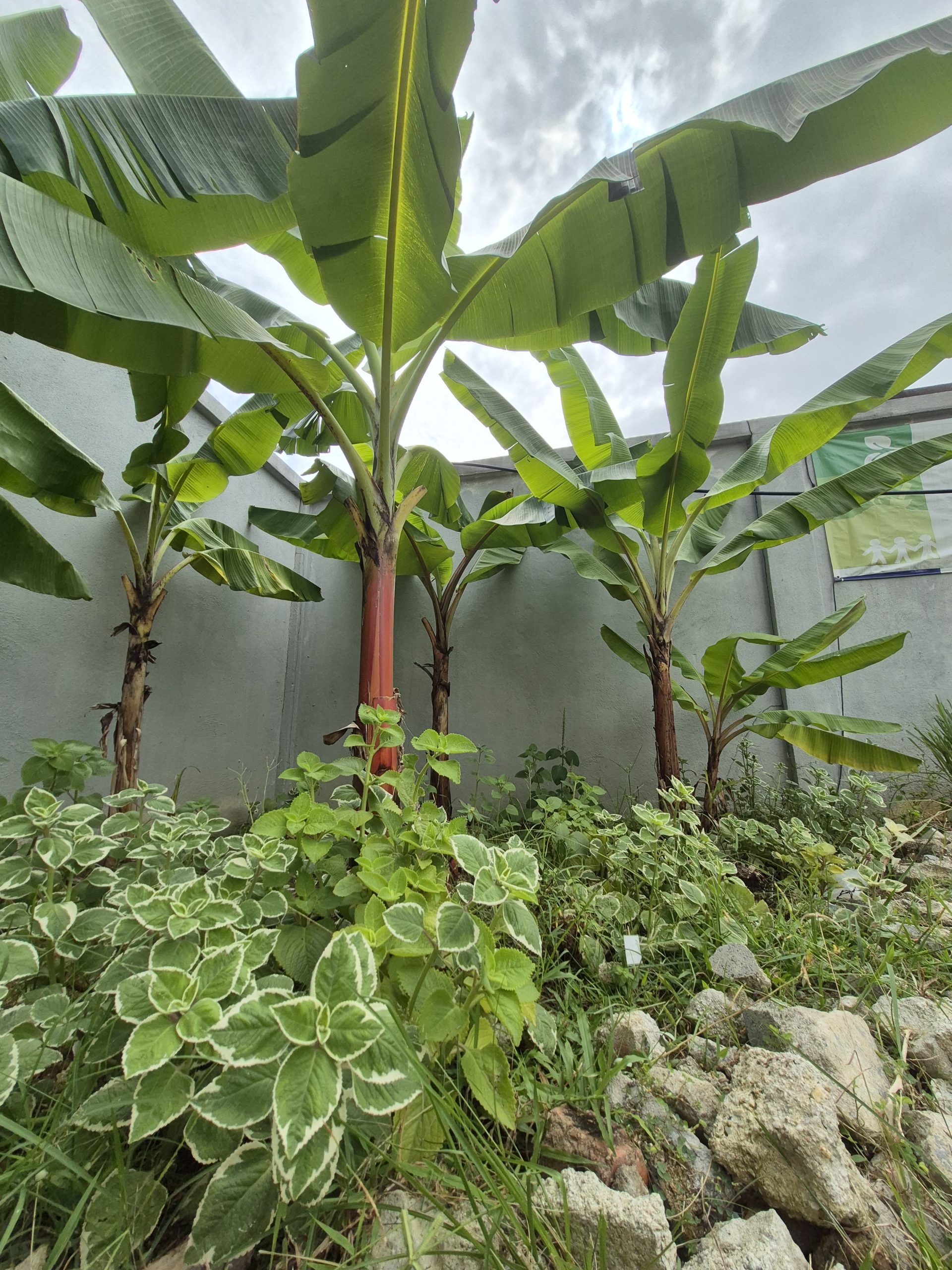
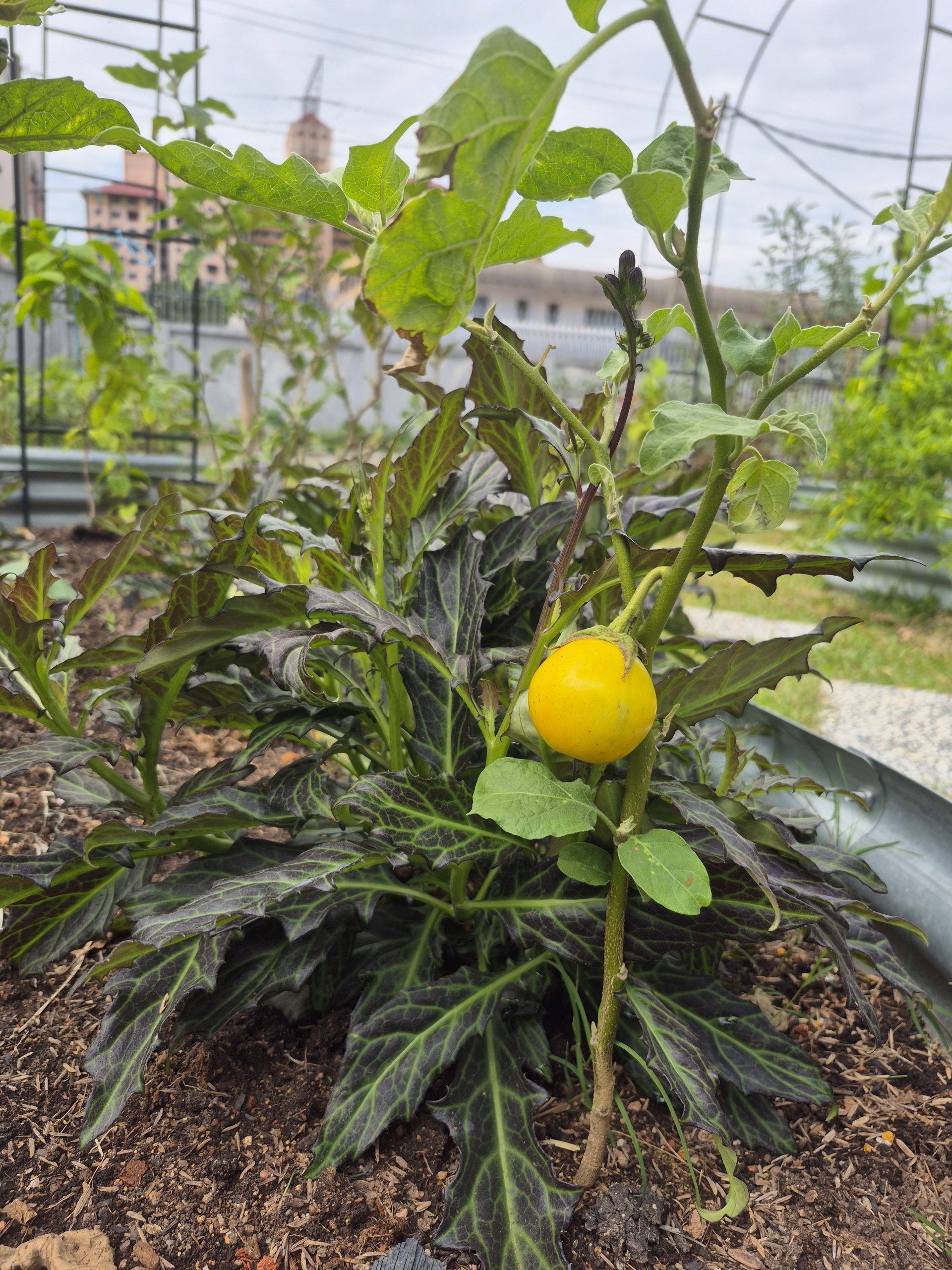
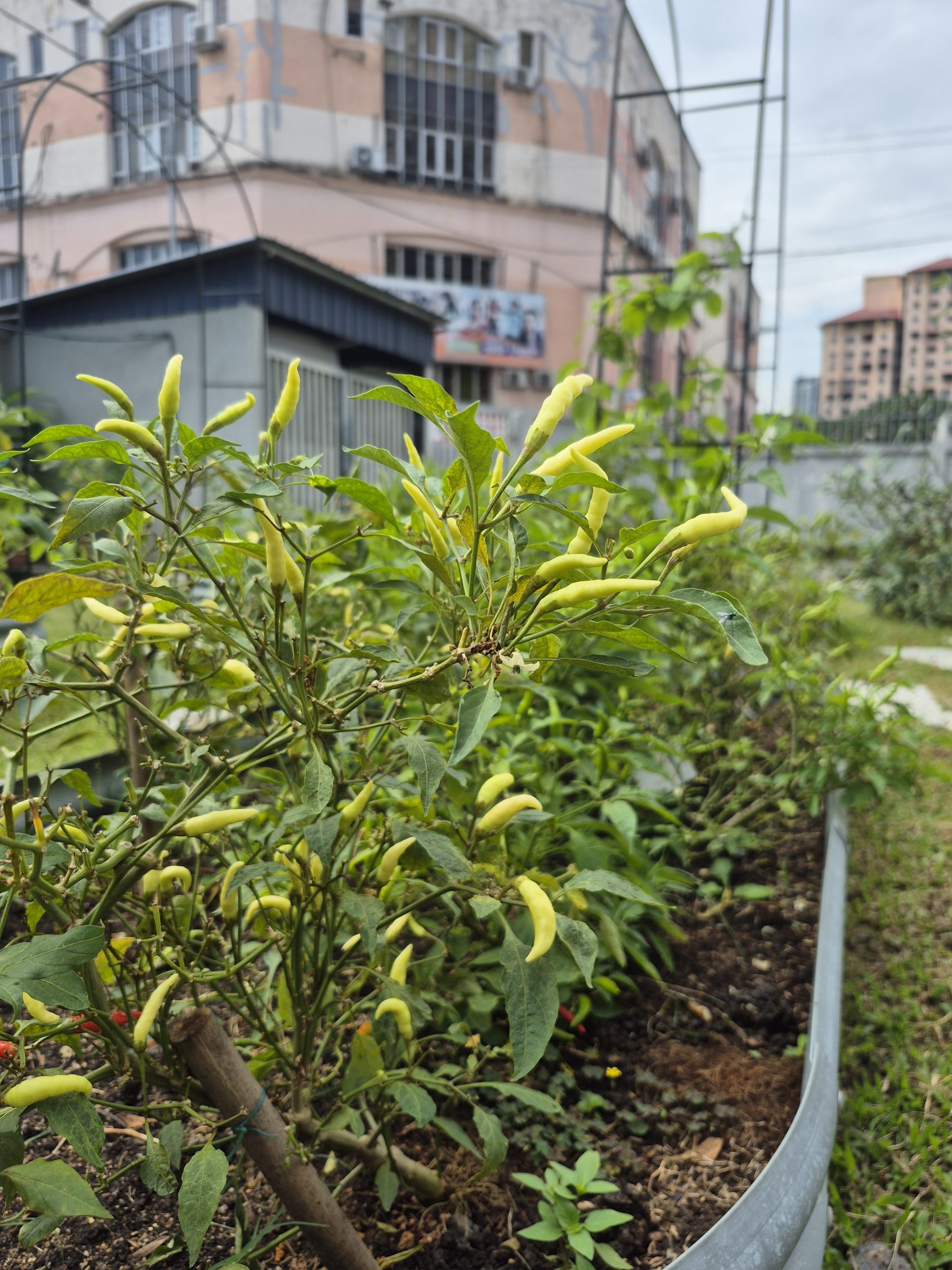
Located at the back of the school, the edible garden features more than 30 varieties of edible plants such as longan, okra, torch ginger and papaya. Teachers, parents and students got their hands dirty to build the garden and at the same time learn about growing and maintaining the plants.
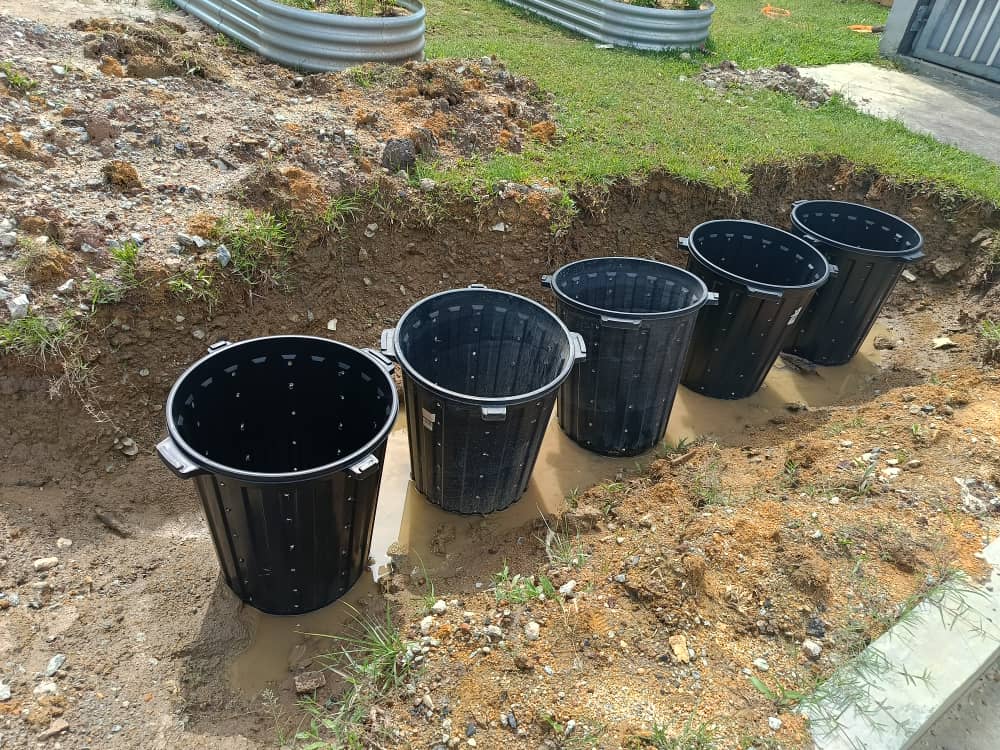
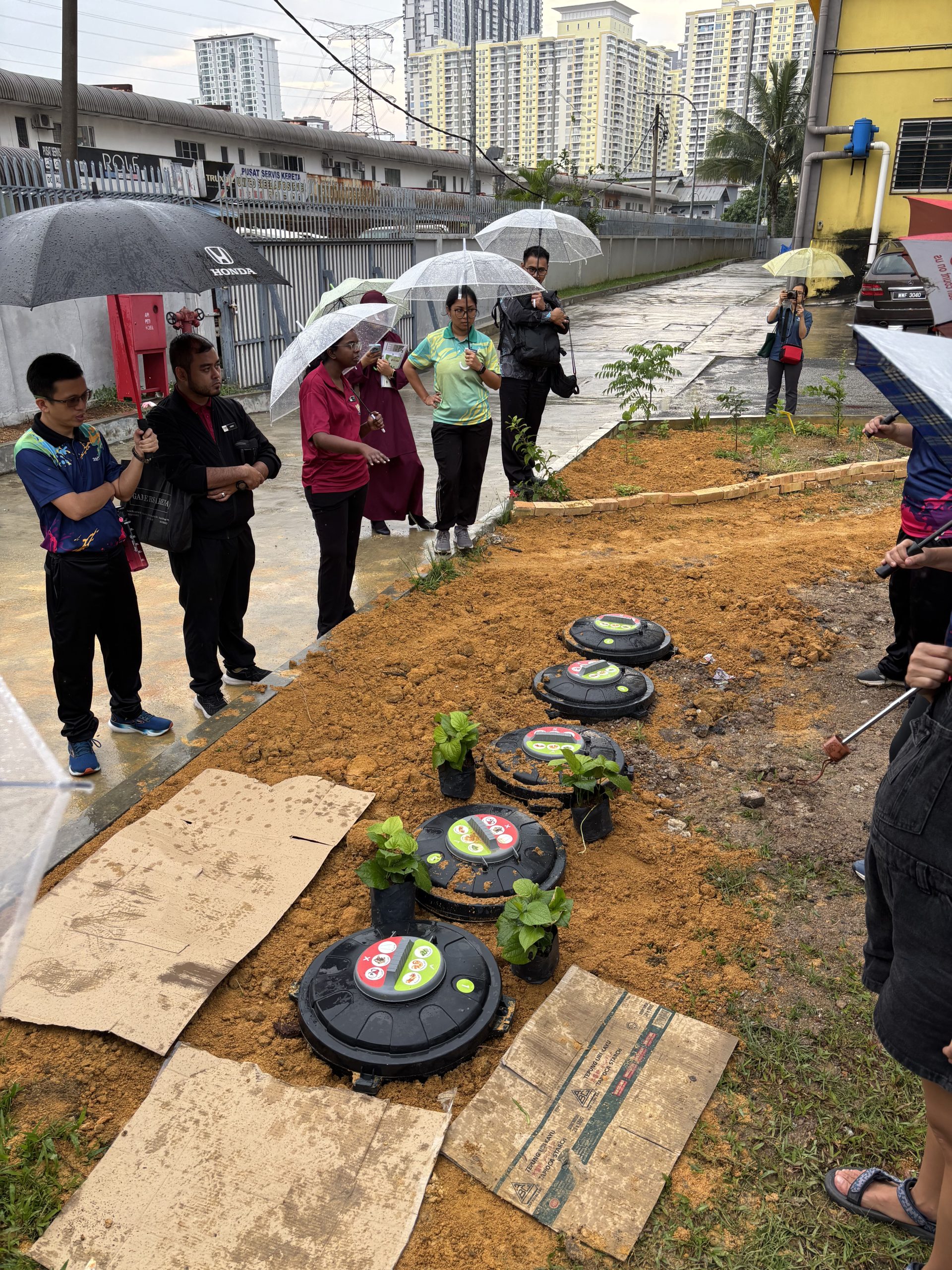
The biopore composting system, which helps divert food waste from the school cafeteria and transforms it into nutrients for the soil – supporting a more sustainable and circular approach to waste management.

IMG_3048
8dbff046-9cd7-4b39-a0ed-87d8d03c743c
27fa532b-4cdb-4d00-a526-0d272541d46a
IMG_3071-copy
IMG_3056-copy
IMG_3141-copy
IMG_3149-copy
IMG_3135-copy
IMG_3126-copy
IMG_3112-copy
IMG_3130-copy-1
IMG_3110-copy
IMG_3103-copy
IMG_3116-copy-1
IMG_3720-copy-1
Garden Curriculum
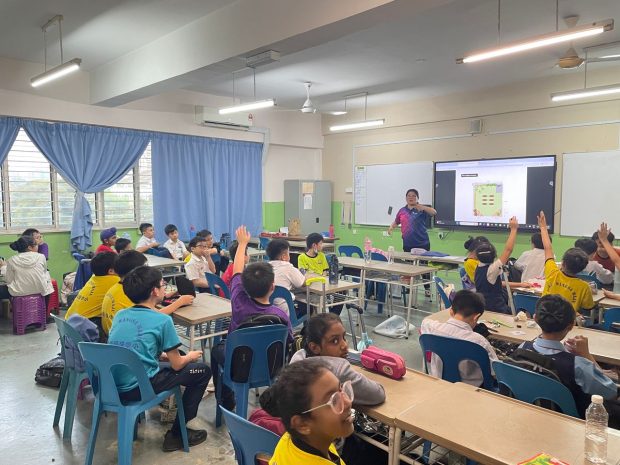
A total of 50 students will take part in the year-long Sayur in the City School Programme at SJKC Wangsa Maju. Throughout the programme, they will be introduced to key aspects of plants life, insects and composting through a series of theory-based and hands-on lessons – highlighting the rich learning opportunities a school garden can offer. These lessons will be delivered by the teachers involved in the training workshop, ensuring continuity and reinforcing the knowledge gained during the sessions.
30 April 2025
First Student Lesson
Teachers learnt about the basics of how fertiliser work, and how to feed established plants.
Garden Progress
10 December 2025
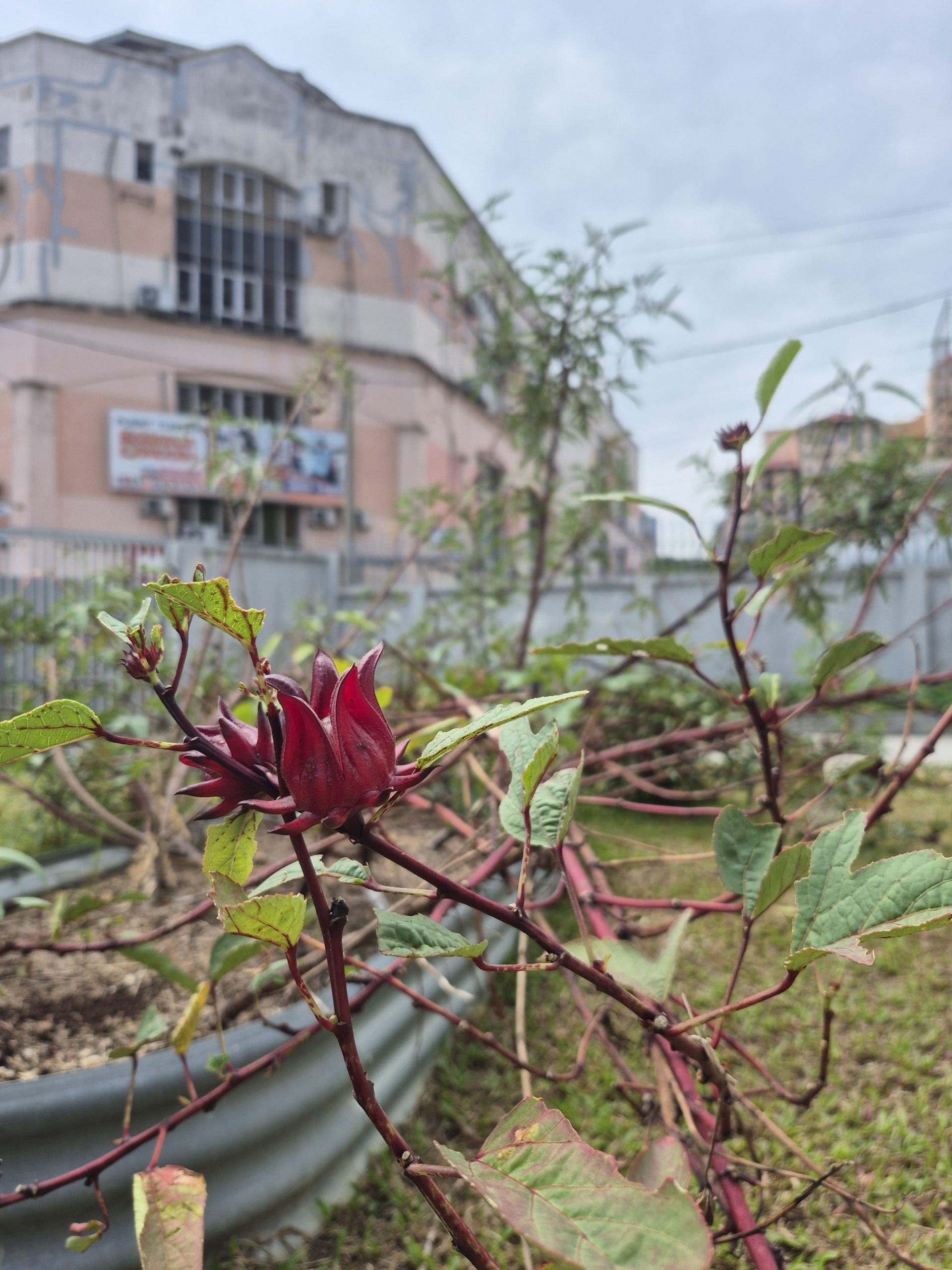
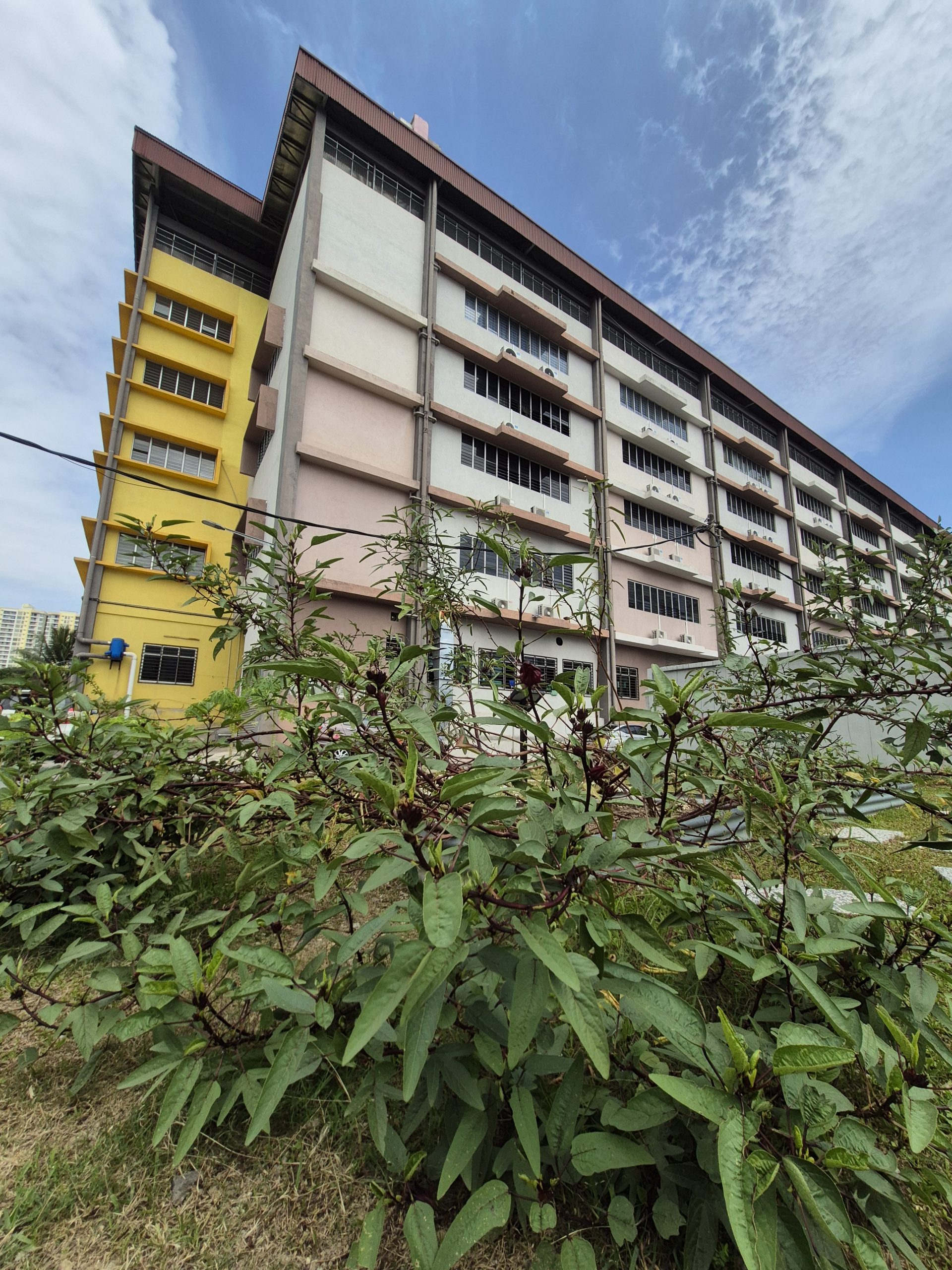
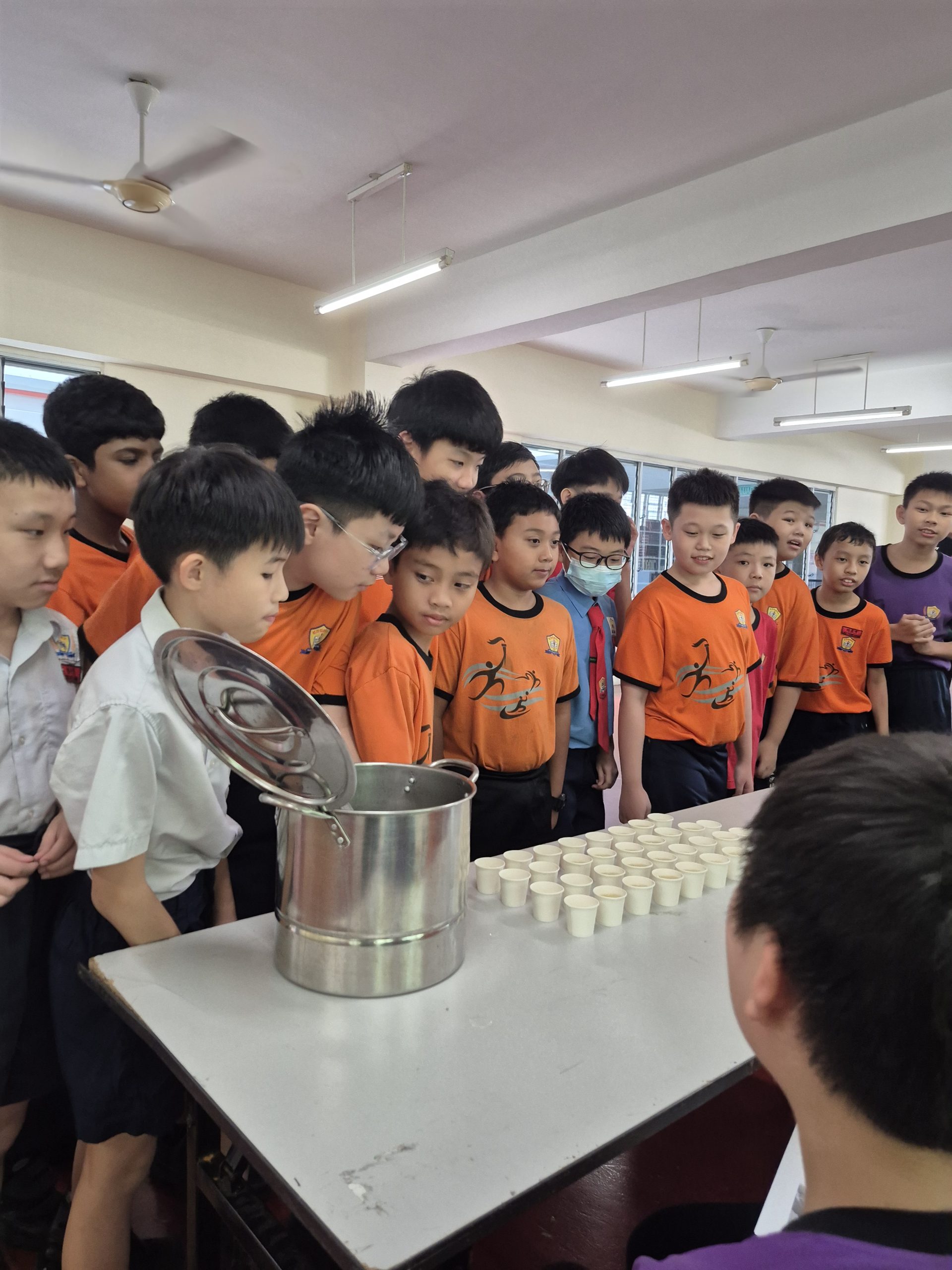
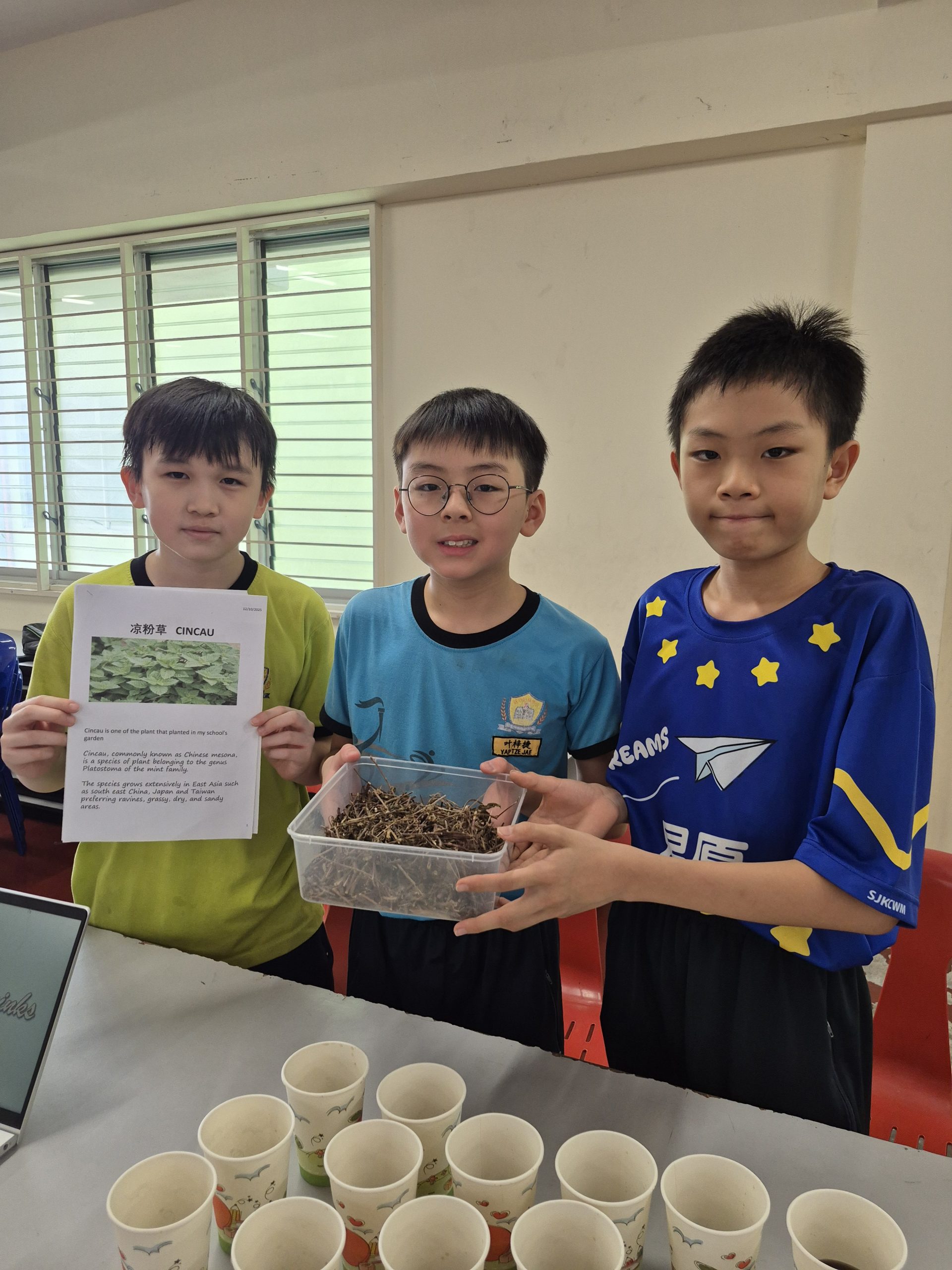
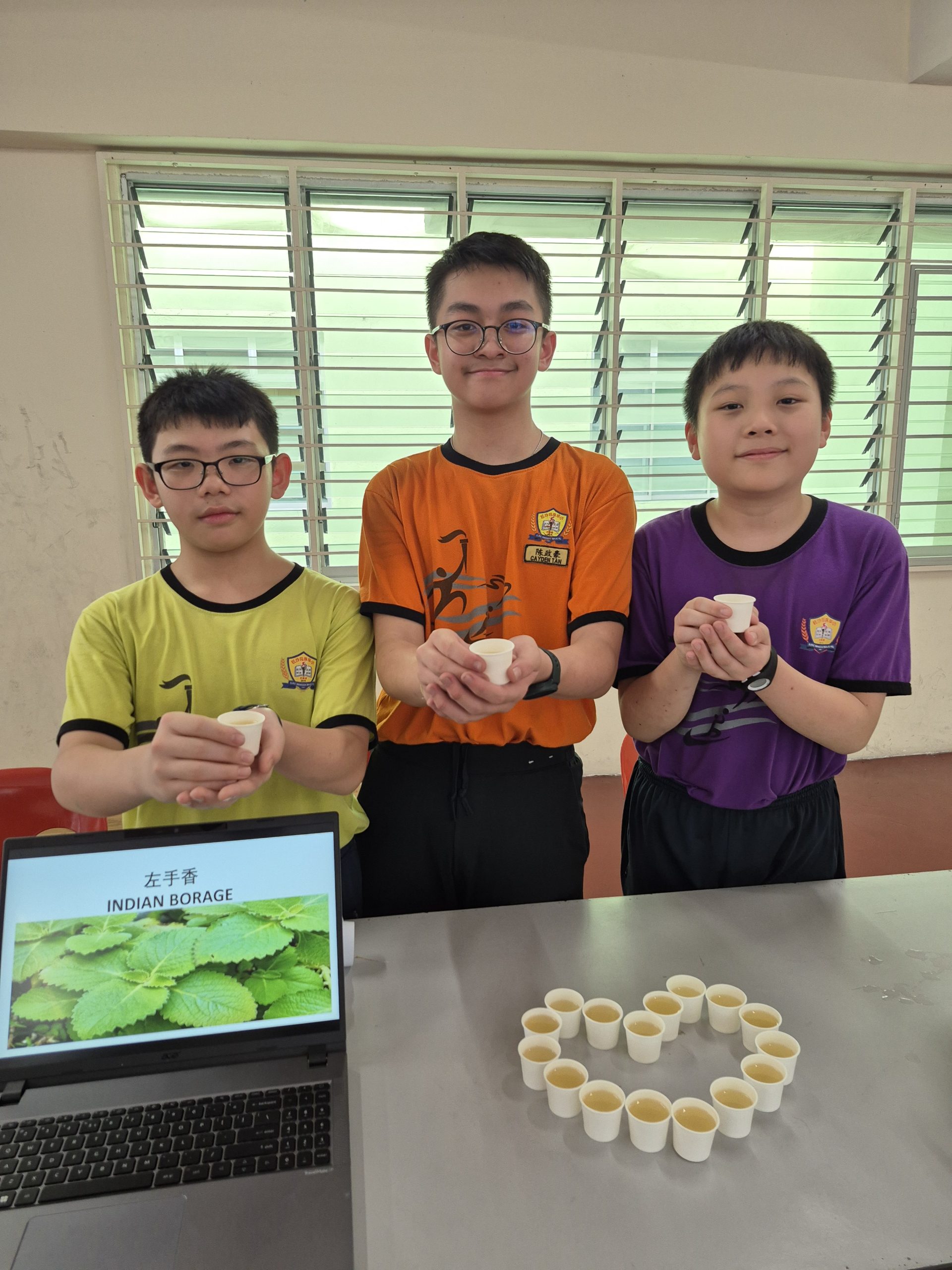
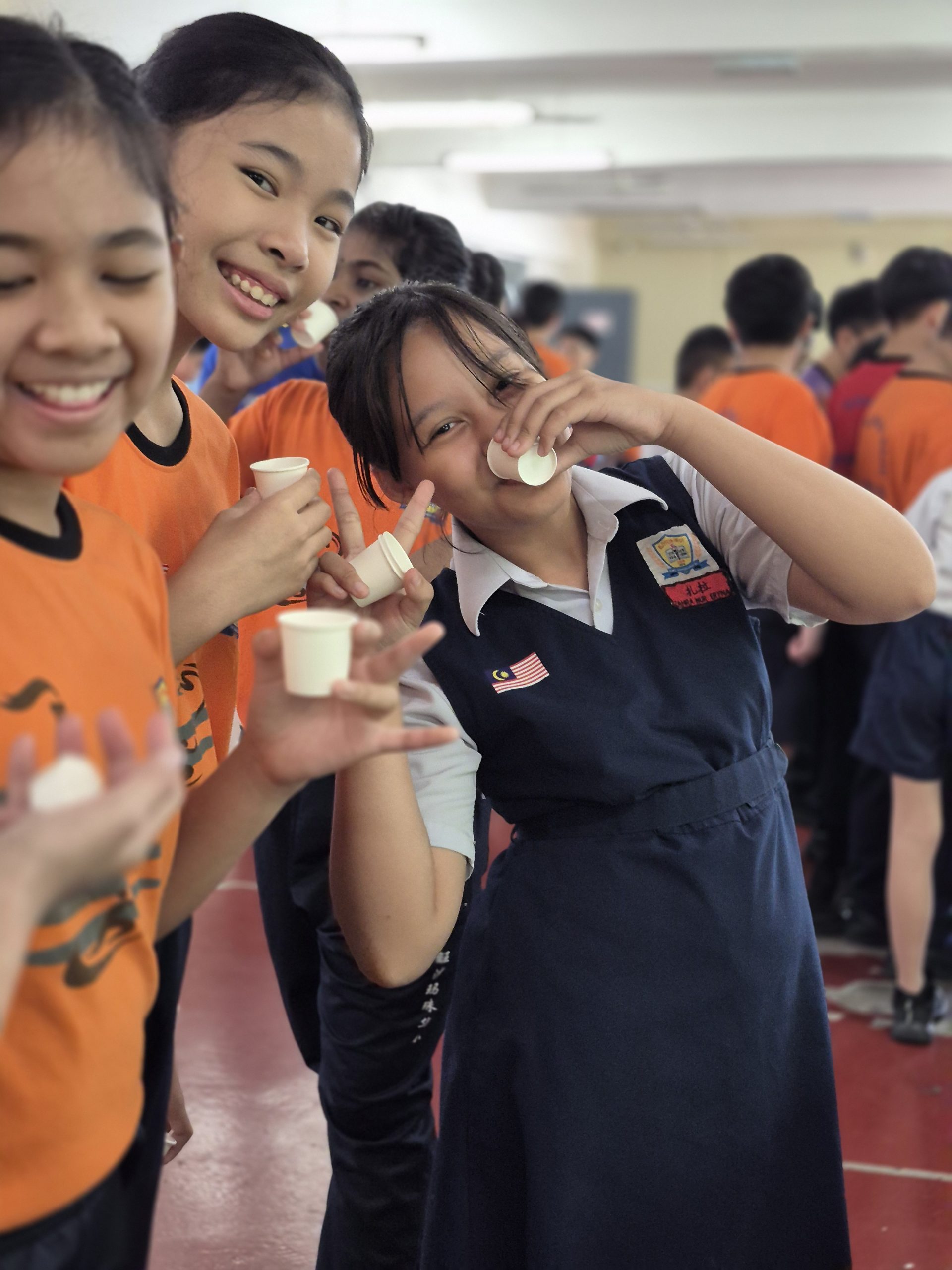
Several months later, the garden has been well-maintained, with many plants fruiting and flourishing. The students participated in a product showcase, featuring drinks made with ingredients from the garden. With guidance and support from key teachers, the students have been able to learn much about gardening and composting, and were able to present their knowledge on the plants they used in their products.
20251210_113705
20251210_114615
20251210_114526
20251210_114432
20251210_114334
20251210_114229
20251210_114128
20251210_114052
20251210_115036
20251210_115720
20251210_121736
20251210_115839
GET IN TOUCH
Learn more about Sayur In The City: For Schools
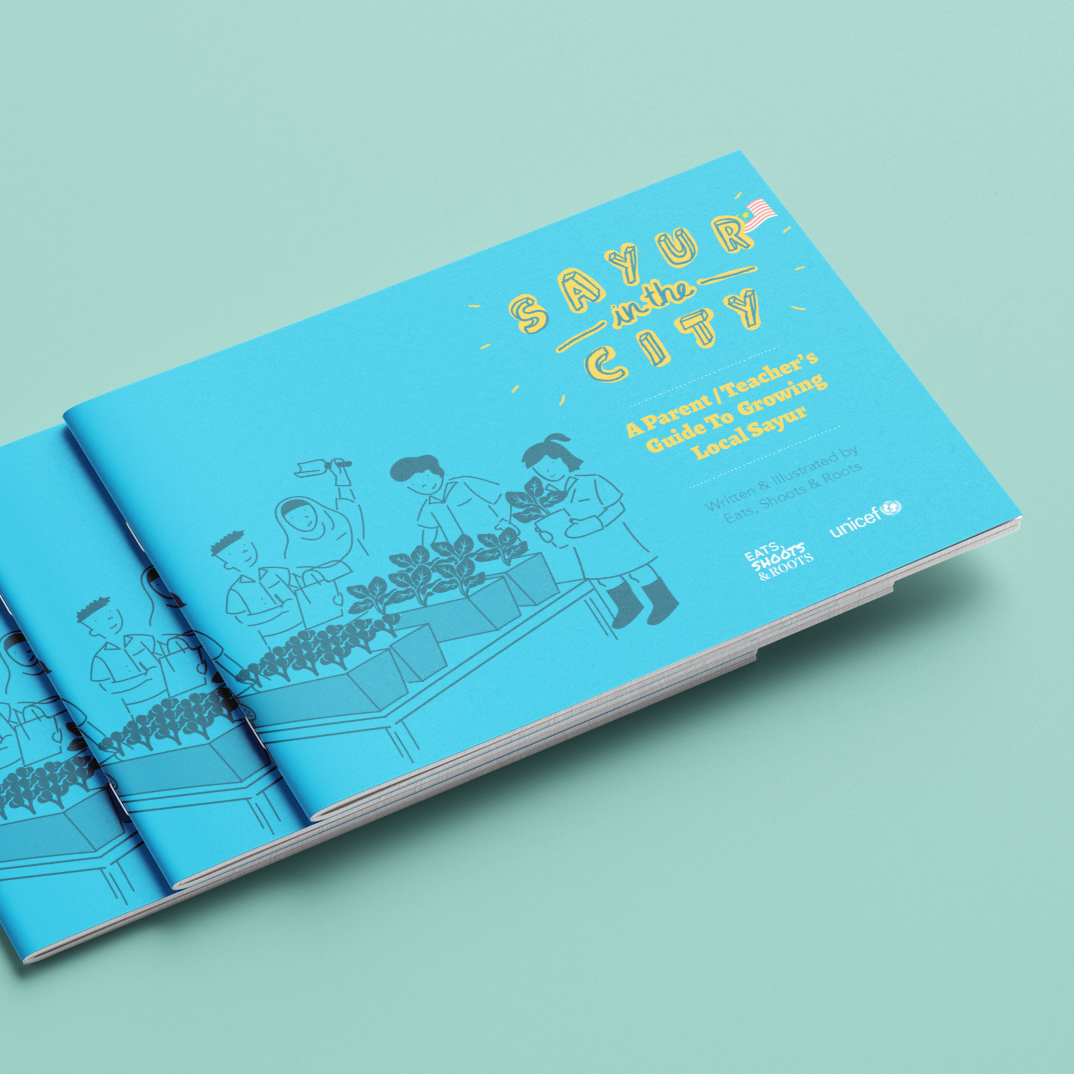
Developed in partnership with UNICEF, for educators and parents of children aged 6 to 12 years old, this guide provides a localised, practical introduction to edible gardening.